Ever wondered who crafts those immersive worlds and engaging challenges that keep you hooked for hours after a long day at work or juggling family life It is the game designer the unsung architect behind your favorite digital escapes This comprehensive guide dives deep into what game designers do from conceptualizing initial ideas to finetuning every minute detail of gameplay Discover the essential skills daily tasks and diverse roles within game design helping you understand the complex creative and technical processes involved Whether you are a casual player looking to appreciate the artistry behind your screen a parent curious about this dynamic career path or simply someone who loves understanding the inner workings of their digital hobbies we break down the real work behind bringing virtual worlds to life Learn about the intersection of player experience storytelling and system mechanics that define a game designers crucial contribution to the gaming industry
Related games- How To Log Out Of A Banned Roblox Account Guide
- Guide to Building PC Website Your Custom Gaming Rig
- Guide Master Antster Tactics Roblox Jailbreak 2026
- Guide: What is Decryption Code Roblox Explained
- Is Roblox Bedwars Dying A 2026 Guide For Gamers
What is the primary responsibility of a game designer?
The primary responsibility of a game designer is to define the core gameplay experience, including rules, mechanics, and systems, ensuring the game is fun, engaging, and achieves its creative vision. They conceptualize how players interact with the game world.
How does a game designer ensure a game is fun?
Game designers ensure fun through iterative prototyping, playtesting, and continuous refinement. They focus on player psychology, reward loops, balanced challenges, and clear feedback mechanisms, constantly adjusting based on player data and community input.
What education is typically required to become a game designer?
While formal degrees in game design, computer science, or related fields are common, they aren't always strictly required. A strong portfolio demonstrating design aptitude, critical thinking, and practical experience with game engines often holds more weight.
Can a game designer work remotely?
Yes, many game design roles, especially within larger studios or for smaller indie teams, now offer remote work opportunities. The shift was accelerated by recent global events, proving that collaborative tools and effective communication can facilitate remote design workflows.
What's the difference between a game designer and a level designer?
A game designer conceptualizes the overarching game systems and player experience, while a level designer specializes in crafting specific environments, puzzles, and challenges within those systems. Level design is a specialization under the broader game design umbrella.
Why is player empathy crucial for game designers?
Player empathy is crucial because it allows designers to anticipate how players will think, feel, and react to game elements. By putting themselves in the player's shoes, they can design more intuitive, enjoyable, and less frustrating experiences, crucial for player retention.
How do current gaming trends like mobile dominance impact game designers?
Mobile dominance requires designers to think about different input methods, shorter play sessions, optimization for various devices, and free-to-play monetization models. They must balance depth with accessibility to cater to a broad, often casual, audience.
For many of us, gaming is that perfect escape after a long day – a chance to unwind, connect with friends, or challenge ourselves in vibrant virtual worlds. We fire up our consoles or mobile devices, dive into the action, and often forget the incredible amount of effort, creativity, and strategic thinking that goes into crafting those experiences. If you're like the 87% of US gamers who regularly spend 10+ hours a week in their digital playgrounds, you've probably encountered games that just "click" – they feel intuitive, fun, and perfectly balanced. That magic? It doesn't happen by accident. It's the meticulous work of a game designer, the architect of play, the storyteller, and the systems engineer all rolled into one.
Balancing work, family, and personal time means your gaming sessions are precious. You want games that offer quick fun, deep engagement, or rewarding social experiences without frustrating setup issues or performance hiccups. You also want to make smart choices for your entertainment dollar, staying current with trends without falling for every hype cycle. This guide pulls back the curtain on the pivotal role of a game designer, helping you understand the minds behind the games you love and appreciate the artistry and engineering that makes your limited gaming time so enjoyable and fulfilling. Let's explore what it truly means to be a game designer in 2026.
What Exactly Does a Game Designer Do
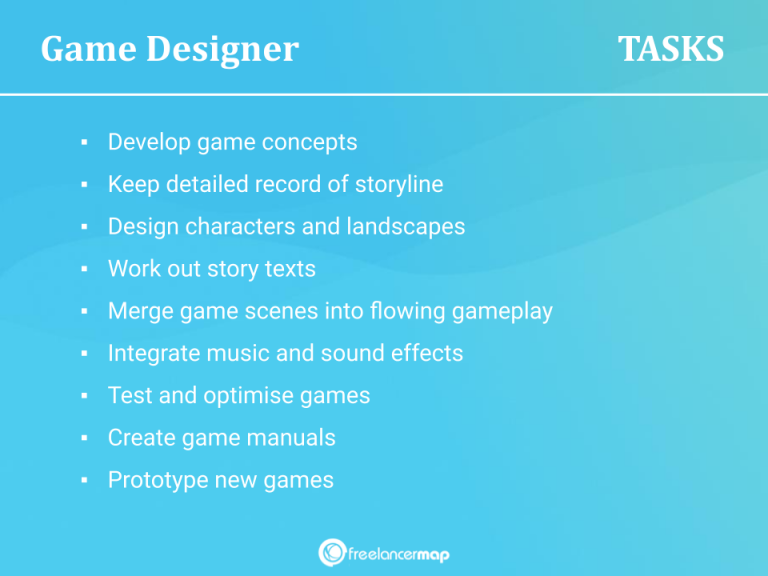
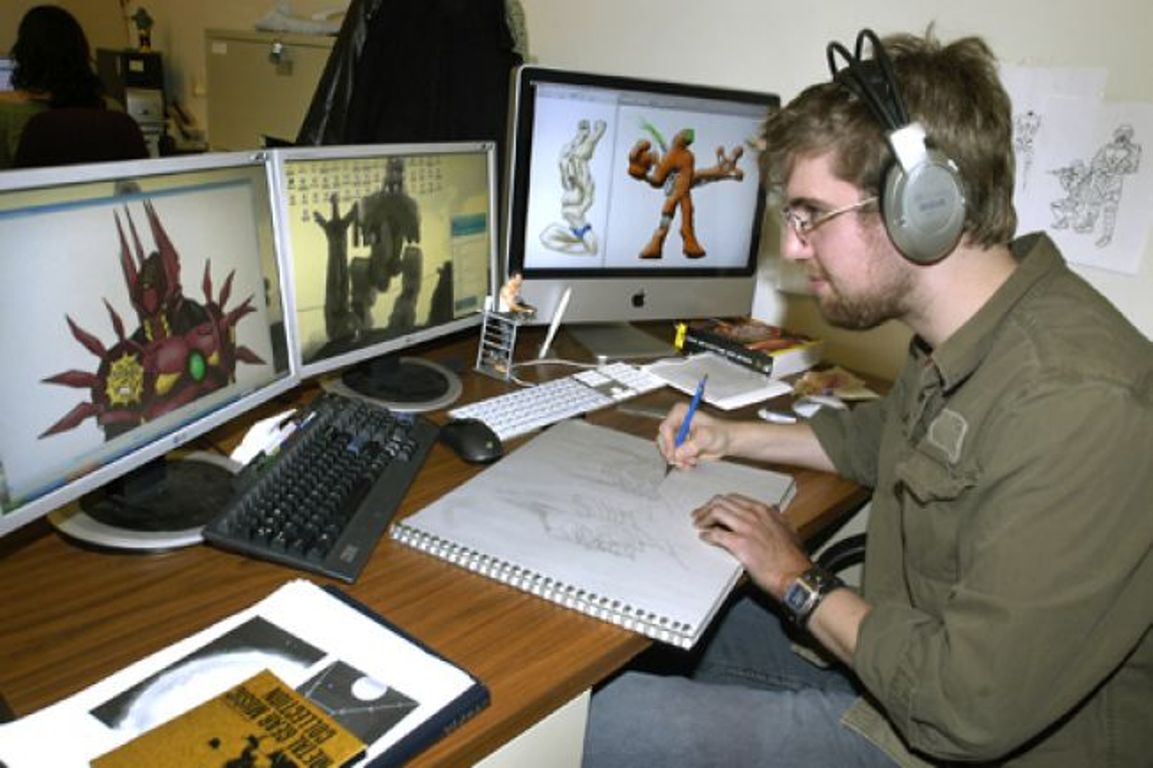
At its core, a game designer is the visionary who defines the rules, mechanics, and overall player experience of a game. Think of them as the blueprint architect for an interactive world. They aren't usually coding or creating art assets themselves, but they conceptualize how all those elements fit together to create fun and engaging gameplay. This includes defining character abilities, level progression, reward systems, narrative arcs, and even the emotional journey players embark on. Their primary goal is to ensure the game is fun, fair, and achieves its intended purpose, whether that's intense competition, a relaxing narrative, or social interaction.
In practice, this means extensive documentation, from detailed design documents outlining every game system to flowcharts mapping out player choices. They translate abstract ideas into concrete specifications that programmers and artists can build upon. It's a role that requires a unique blend of creativity, analytical thinking, and strong communication skills. They're constantly asking "Why is this fun?" and "How can we make this better for the player?"
What Skills Does a Game Designer Need to Master
Becoming a successful game designer requires a diverse skill set that goes beyond just loving games. Critical thinking is paramount – the ability to break down complex systems, identify problems, and devise creative solutions. Excellent communication skills are also vital, as designers must articulate their vision clearly to various teams, from engineers to marketing. They need to write detailed design documents and effectively present their ideas.
- Creativity and Innovation: Dreaming up new ideas and unique gameplay mechanics.
- Problem-Solving: Addressing challenges in game balance, player engagement, and technical limitations.
- Analytical Thinking: Evaluating game systems, player data, and market trends to make informed decisions.
- Systems Thinking: Understanding how different game elements interact and influence each other.
- User Empathy: Consistently putting themselves in the player's shoes to anticipate their experience and feelings.
- Prototyping: Rapidly creating rough versions of mechanics to test ideas quickly.
- Technical Fluency: While not coders, understanding game engines (like Unity or Unreal) and scripting basics is highly beneficial for implementing and testing their designs.
- Collaboration: Working effectively within a multidisciplinary team.
For US gamers balancing life, these designers understand the need for quick satisfaction and intuitive controls, which is a direct result of applying these skills to make games accessible and enjoyable for busy adults.
How Is Game Design Different From Game Development
This is a common point of confusion. Think of game design as the "what" and "why" of a game, while game development is the "how." Game design focuses on the conceptualization, rules, and player experience. Game developers, on the other hand, encompass the entire team responsible for bringing that design to life, including programmers, artists, animators, sound engineers, quality assurance testers, and project managers. A game designer is one crucial role *within* the broader game development team.
For example, a game designer might specify that "the player needs a double jump ability that feels fluid and responsive." The programmer then writes the code to implement this, and the animator creates the visual sequence. The designer tests it, provides feedback, and iterates until the double jump feels just right for the player. This distinction highlights the collaborative nature of making games, a process that relies on specialized professionals working together to deliver that seamless gaming experience we value so much.
What Is a Typical Day Like for a Game Designer
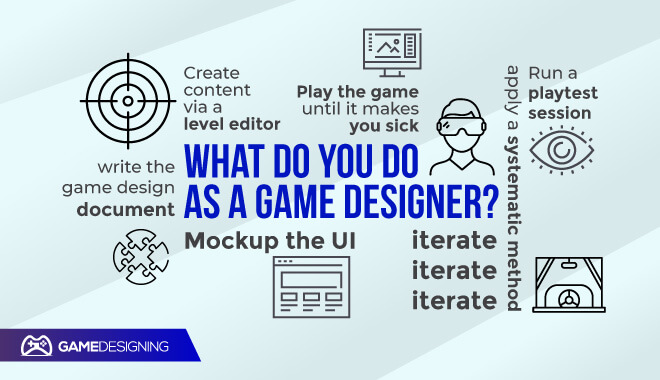
There's no single "typical" day, as it heavily depends on the project's stage and the designer's specialization. However, a game designer's day often involves a mix of meetings, documentation, prototyping, and playtesting. Mornings might start with stand-up meetings to align with programmers and artists. The bulk of the day could be spent:
- Writing Design Documents: Detailing new features, systems, or content.
- Creating Flowcharts: Mapping player journeys, quest lines, or UI navigation.
- Building Prototypes: Using game engines to quickly implement and test mechanics without final art or code.
- Playtesting: Actively playing the game (often with colleagues) to identify bugs, balance issues, and areas for improvement.
- Analyzing Data: Reviewing player telemetry to understand how players interact with the game.
- Providing Feedback: Giving clear, constructive input to art and engineering teams.
- Researching: Exploring other games, new technologies, or relevant cultural trends.
For a designer working on a popular mobile title, a big focus might be on balancing in-game purchases or optimizing daily engagement loops, reflecting the mobile dominance trend where many US gamers spend their time.
What Are the Different Types of Game Designers
The field of game design is vast, and many designers specialize. Some common types include:
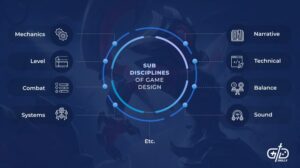
- Systems Designer: Focuses on the underlying rules, mechanics, and economy of a game (e.g., combat systems, crafting, progression).
- Level Designer: Crafts individual levels, environments, and missions, ensuring good flow, challenge, and visual interest.
- Narrative Designer: Develops the story, lore, characters, and dialogue, ensuring a cohesive and engaging plot.
- UI/UX Designer: Specializes in the user interface (menus, HUD) and user experience (how intuitive and satisfying interactions feel).
- Content Designer: Often bridges systems and level design, focusing on populating the game with quests, items, or specific challenges.
- Technical Designer: Acts as a bridge between design and programming, often scripting events or implementing complex systems.
Each specialization contributes to the overall immersive experience, from the skill-building thrill of a perfectly balanced combat system to the relaxation of exploring a beautifully crafted level.
How Do Game Designers Balance Player Fun With Business Goals
This is one of the toughest challenges. Designers must create compelling experiences that also make business sense, especially with the rise of free-to-play (F2P) models and in-game purchases. They constantly weigh:
- Player Engagement: Is the game fun, rewarding, and retaining players?
- Monetization Strategy: How can the game generate revenue without feeling exploitative? (e.g., cosmetic items, battle passes, optional expansions).
- Development Costs: Can the design be implemented within budget and timeline?
- Market Trends: What are players looking for right now? Social features, cross-play, or accessibility options?
A good designer finds synergy, designing features that genuinely enhance player value while also contributing to the game's commercial success. For instance, creating engaging social features for a F2P game not only provides fun for players but also encourages longer engagement, which can lead to more opportunities for ethical monetization.
Can I Become a Game Designer Later in Life
Absolutely! The average age of gamers in the US is around 36, and many come to gaming careers from diverse backgrounds. While formal education in game design, computer science, or art can be helpful, passion, a strong portfolio, and demonstrable skills are often more important. Many successful designers started later, bringing life experience, project management skills, or a fresh perspective from other creative fields.
If you're balancing a job and family, consider starting with online courses, game jams (short, intense game creation events), or small personal projects in your spare time. There are countless free resources and communities. Your unique perspective as a seasoned gamer who understands the pressures of adult life can be an invaluable asset in designing games that resonate with a similar demographic, focusing on things like limited time playability, co-op experiences with friends, or stress-relief mechanics. The industry values diverse voices.
What Tools Do Game Designers Use to Bring Ideas to Life
Game designers leverage a variety of tools to articulate and test their visions. These often include:
- Game Engines: Unity and Unreal Engine are industry standards for prototyping and building games. Designers often use these to block out levels, implement basic mechanics, and test ideas.
- Documentation Software: Google Docs, Confluence, Word, or dedicated design tools for writing detailed Game Design Documents (GDDs).
- Flowcharting Tools: Miro, Figma, or even simple whiteboards to map out player paths, narrative choices, and system logic.
- Spreadsheets: Excel or Google Sheets for balancing game economies, character stats, or progression systems.
- Prototyping Tools: Sometimes specialized tools or even paper prototypes are used for quick, low-fidelity testing of concepts before they hit a game engine.
- Communication Tools: Discord, Slack, and other collaboration platforms for daily team communication.
Mastering these tools helps designers communicate complex ideas efficiently and iterate on designs rapidly, essential for meeting tight deadlines in a competitive industry.
How Important is Player Feedback to a Game Designer
Player feedback is absolutely paramount. It's the lifeblood of iterative design. Designers rely on feedback at every stage – from early focus groups and alpha/beta tests to post-launch telemetry and community forums. Gamers, especially those who balance life and play, are vocal about what works and what doesn't, often providing invaluable insights into usability, fun factor, and balance.
In 2026, with social gaming trends and platforms like Discord being central to community interaction, designers are more connected to their player base than ever. They actively monitor sentiment, conduct surveys, and analyze in-game data to understand how design choices impact player experience. This feedback loop allows them to refine mechanics, fix pain points (like setup issues or performance problems), and ensure the game evolves in a way that truly resonates with its audience, providing value for money and sustained enjoyment.
What Are the Current Trends Influencing Game Designers Today
The gaming landscape is constantly shifting, and designers must stay agile. Some major trends impacting game design in 2026 include:
- Mobile Dominance & Cross-Play: Designing for diverse devices and seamless experiences across mobile, PC, and console.
- Social & Cozy Games: A growing demand for less competitive, more relaxed, and community-focused experiences, often with strong social elements.
- AI Integration: Leveraging AI for procedural content generation, smarter NPCs, and even design assistance.
- In-Game Purchases & Live Service: The continued evolution of monetization models and games designed for long-term engagement.
- Accessibility: A strong focus on making games enjoyable for players of all abilities.
- Creator & Streamer Influence: Designing games that are engaging to watch and participate in via streaming platforms.
- VR/AR Experiments: While not mainstream for all, continued innovation in immersive experiences provides new design challenges.
These trends mean designers are constantly learning, adapting, and innovating to keep pace with player expectations and technological advancements, ensuring that games remain a vital part of our entertainment landscape.
Conclusion
Understanding what a game designer does gives you a new appreciation for the intricate dance of creativity and technical skill behind your favorite games. They're the unsung heroes who craft those moments of relaxation, skill-building, social connection, and pure fun that fit into your busy life. From the overall vision to the smallest detail, their work shapes every pixel and every interaction, ensuring that when you finally sit down to play, the experience is everything you hoped for. Their dedication makes sure your gaming time is truly valuable, offering both escape and engagement without unnecessary hassle.
What's your biggest gaming challenge that you think a game designer should tackle next? Comment below!
FAQ Section
What is the most important skill for a game designer?
While many skills are crucial, strong communication, empathy for the player, and analytical problem-solving are arguably the most important. A designer must clearly articulate their vision, understand their audience, and logically resolve gameplay issues.
Do game designers need to know how to code?
Not necessarily to be a primary coder, but a strong understanding of programming principles and basic scripting (like C# in Unity or Blueprints in Unreal) is highly beneficial. It helps them communicate with engineers and prototype their ideas more effectively.
Is game design a stable career?
The gaming industry is dynamic and can have project-based fluctuations. However, with the industry's continued growth, especially in mobile and live-service games, skilled and adaptable game designers are consistently in demand, offering good career stability for those who stay current.
How long does it take to design a game?
Game design is an ongoing process throughout a game's development. Conceptual design can take weeks, while iteration and refinement continue for months or even years up to and beyond launch, especially for live-service titles.
What is a Game Design Document GDD?
A Game Design Document (GDD) is a highly detailed, living blueprint of a game. It outlines every aspect, including gameplay mechanics, story, characters, levels, user interface, art style, sound, and technical requirements. It serves as a central reference for the entire development team.
Game designers conceptualize game mechanics and story They define player experience and rule sets Collaboration with artists and programmers is key Prototyping and testing are essential for refinement Specializations include level systems and narrative design Player feedback is vital for iteration Balancing creativity with technical constraints is a core challenge
34

Role Of Physics Simulations In 3D Game Animation Game Design Course AAFT . What Does A Game Designer Do Career Insights Job Profile En Redesign Career Images 51 768x576 . What Does A Game Designer Do 3d Animation Trends 2026 . Skills Required To Become A Video Game Designer MAGES Become A Video Game Designer . How Can I Become A Videogame Designer Detroit Chinatown Game Designer


What Does A Game Designer Really Do Game Design Document Game . What Skills Do You Need To Be A Video Game Designer A What Skills Do You Need To Be A Video Game Designer A. 2026 How To Become A Video Game Designer Salary Career Paths Video Game Designer Demand 4b6b5ba99c . Game Development Trends 2026 IMG Cover . Graphic Design Vs Game Design Access Creative College Young Game Designer Working On New Game On Computer

What A Games Designer Actually Does Day To Day DSC 2363 3 . Decoding The Digital Playground What Game Designers Do Feature Video Game Design . Game Designer Job Description CareerCloud Game Designer Job Description Pjkmor. The Future Of Game Design Trends And Innovations How To Build A Game Design Portfolio That Gets You Hired In 2026 . What Does A Game Designer REALLY Do YouTube

Average Game Designer Salary In India Artemisia College What Does A Game Designer Do 1024x576 . Video Game Designers At Work Video Games Designer Working In Studio 1024x683 . Game Design Vs Game Development Career Guide Game Design Vs Game Development . What Specific Tasks Do Game Designers Perform Daily Images. What Does A Game Designer Do Career Insights Job Profile En Redesign Career Images 50 768x576
What Does A Game Designer Do Gds Blog Visual Sub Diciplines Of Game Design 300x168 . What Does Game Designer Do At Imogen Holman Blog Game Design Scaled . How To Get A Job In The Gaming Industry What Do You Do As A Game Designer . Impressive Info About How To Become A Games Designer Postmary11 Game Designer . Game Designer Game Design.webp

What Does A Video Game Designer Do Key Roles And Skills Explained Cjekdktk Each Box Represents A Significant Milestone In Video Game Design History Follow The Arrows To See How The Industry Has Evolved Over Time From Simple Beginnings To A Diverse And Expansive Sector.webp. How To Become A Game Designer In India What Does A Game Designer Actually Do . What Does A Game Designer Do Roles Career Paths Champlain College Senior Show 2023 Students Public Game 2400x1350 . What Does A Video Game Designer Do Resources ADMI Kenya Image 59 .webp. What Does A UX Designer Do Blog Posts What Does A UX Designer Do


What Does A Game Level Designer Do . Game Systems Designer Job Description Updated For 2026 Game Systems Designer Job. Video Games 2026 Key Trends Shaping The Future Of Play Mavigadget Blog 696x696 . What Does A Game Designer Do At Drova Behind The Pixels Eng Sub