Are you a dedicated gamer balancing work and life, but your Windows 11 PC feels sluggish? Many gamers, averaging over 10 hours a week, know the frustration of system bloatware hindering precious frames per second and causing lag. This comprehensive guide on how to debloat Windows 11 for gaming is your ultimate resource to reclaim system resources and boost performance. We understand that your gaming time is valuable, a chance to unwind, socialize, or build skills. This article offers practical, step-by-step solutions to optimize your operating system, ensuring smoother gameplay and faster load times without breaking the bank on new hardware. Discover effective tweaks, essential tools, and smart strategies to remove unnecessary background processes and pre-installed apps. Get ready to transform your gaming experience and enjoy every moment without performance worries. This is about making your existing setup work harder and smarter for you, the busy US gamer seeking peak efficiency.
Related games- Guide Can Gaming Laptops Handle Your Workload
- Guide Why Gaming Chairs Cost So Much Understanding The Price
- Guide to Thanksgiving Football Game Times 2026
- Guide How To Make Roblox Shirts Quick Easy Fun
- Guide to SPU Games Roblox Unlocking Fun and Performance
What is the fastest way to debloat Windows 11 for gaming performance?
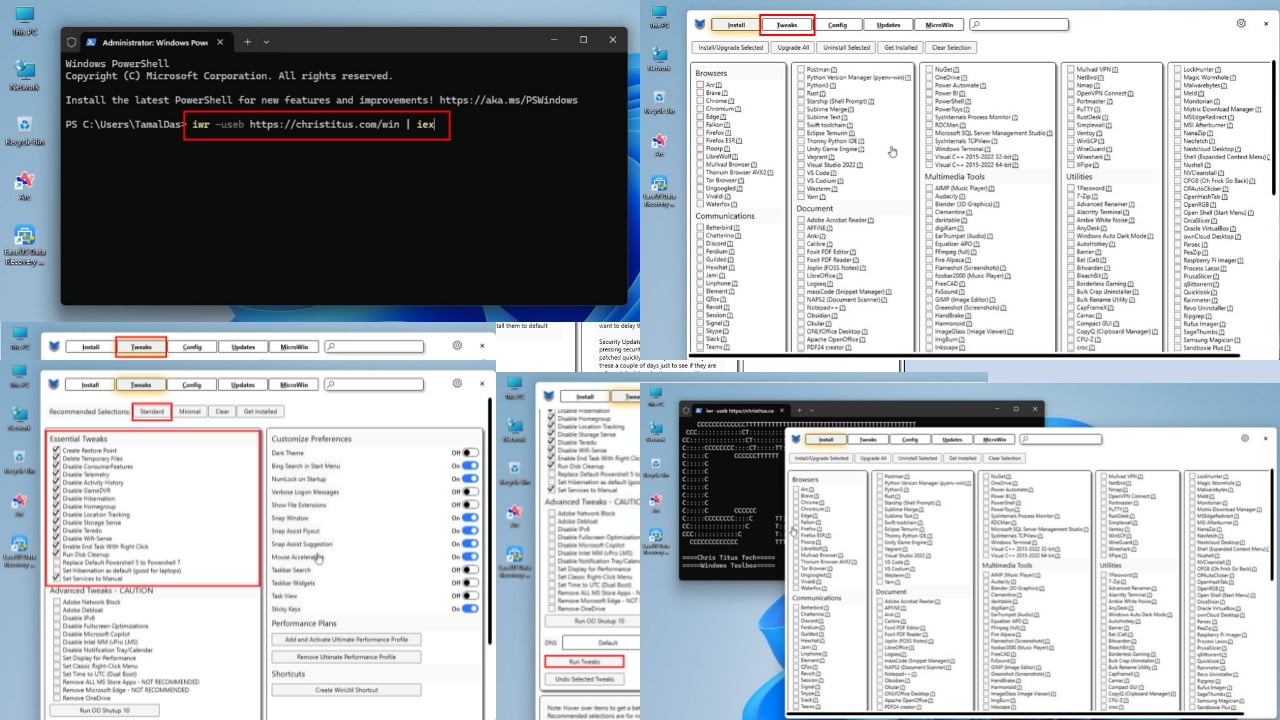
The fastest way to debloat Windows 11 for gaming involves using a reputable PowerShell script like Chris Titus Tech's Windows Utility or a similar community-driven tool. These scripts automate the removal of bloatware, disabling of unnecessary services, and adjustment of privacy settings in one go, providing significant performance improvements with minimal manual effort. Always create a system restore point first.
How do I remove pre-installed apps from Windows 11 that I don't use for gaming?
You can remove pre-installed apps from Windows 11 by navigating to 'Settings' > 'Apps' > 'Apps & features'. Scroll through the list, click the three-dot menu next to any unwanted app, and select 'Uninstall'. For apps that cannot be uninstalled this way, a PowerShell command (like 'Get-AppxPackage *appName* | Remove-AppxPackage') or a debloater tool might be necessary.
Does Windows 11 Game Mode actually improve FPS or is it just hype?
Windows 11 Game Mode genuinely helps improve FPS and gaming stability for most users by prioritizing game processes and suspending background tasks. While its impact can vary depending on your system and the game, it's not just hype. It's a beneficial feature that ensures your PC allocates maximum resources to your active game, reducing stuttering and increasing frame rates. It's recommended to keep it enabled.
What are the common culprits of Windows 11 bloatware affecting gaming?
Common culprits of Windows 11 bloatware affecting gaming include pre-installed Microsoft Store apps (e.g., Solitaire Collection, TikTok, various news apps), OneDrive (if constantly syncing in the background), Cortana, various telemetry and diagnostic services, and excessive notification processes. These consume CPU, RAM, and network resources, leading to degraded gaming performance.
Is it safe to disable all background apps in Windows 11 for gaming?
It is generally safe to disable most non-essential background apps in Windows 11 to boost gaming performance. However, avoid disabling critical system apps, security software, or drivers. Focus on turning off apps that don't need to run continuously, such as weather apps, social media clients, or productivity tools, allowing more resources for your games.
How can I prevent Windows 11 from re-installing bloatware after updates?
Preventing Windows 11 from re-installing bloatware after updates can be challenging as Microsoft often pushes new features. Using debloater scripts with re-apply options, regularly checking 'Apps & features' post-update, and configuring Group Policy or Registry Editor to block specific app installations (for advanced users) are common strategies. Many third-party debloaters have persistent removal options.
What are the best power plan settings in Windows 11 for maximum gaming performance?
For maximum gaming performance in Windows 11, the 'Ultimate Performance' or 'High Performance' power plan is recommended. You can access this via Control Panel > Hardware and Sound > Power Options. These plans ensure your CPU runs at its maximum frequency consistently, preventing throttling and delivering stable power to all components, which is crucial during demanding gaming sessions.
Hey fellow gamers! Ever felt that familiar pang of frustration when your Windows 11 gaming rig, which should be a powerhouse, starts sputtering, stuttering, or just plain acting slow? You are not alone. In 2026, with an estimated 87% of US adults regularly engaging in gaming, often averaging over 10 hours a week, and many balancing this passion with jobs, families, and life's demands, every second of smooth gameplay counts. We play to relax, to connect with friends across Discord on titles like Palworld or Fortnite, to build skills, or simply to escape. But what happens when Windows 11, with all its shiny new features, becomes a bit… bloated?
That's where the magic of debloating comes in. If your PC feels bogged down, causing lower FPS, longer load times, or general system sluggishness, it's often due to a host of unnecessary background processes and pre-installed applications you never asked for. These hidden resource hogs can significantly impact your gaming performance. This guide is your trusted friend, here to show you exactly how to debloat Windows 11 for gaming, transforming your machine into the lean, mean, gaming machine it was meant to be. We'll cover practical, easy-to-follow steps to optimize your system, ensuring your precious gaming hours are spent enjoying the action, not battling your operating system.
What Exactly Does "Debloating Windows 11" Mean for Gamers?
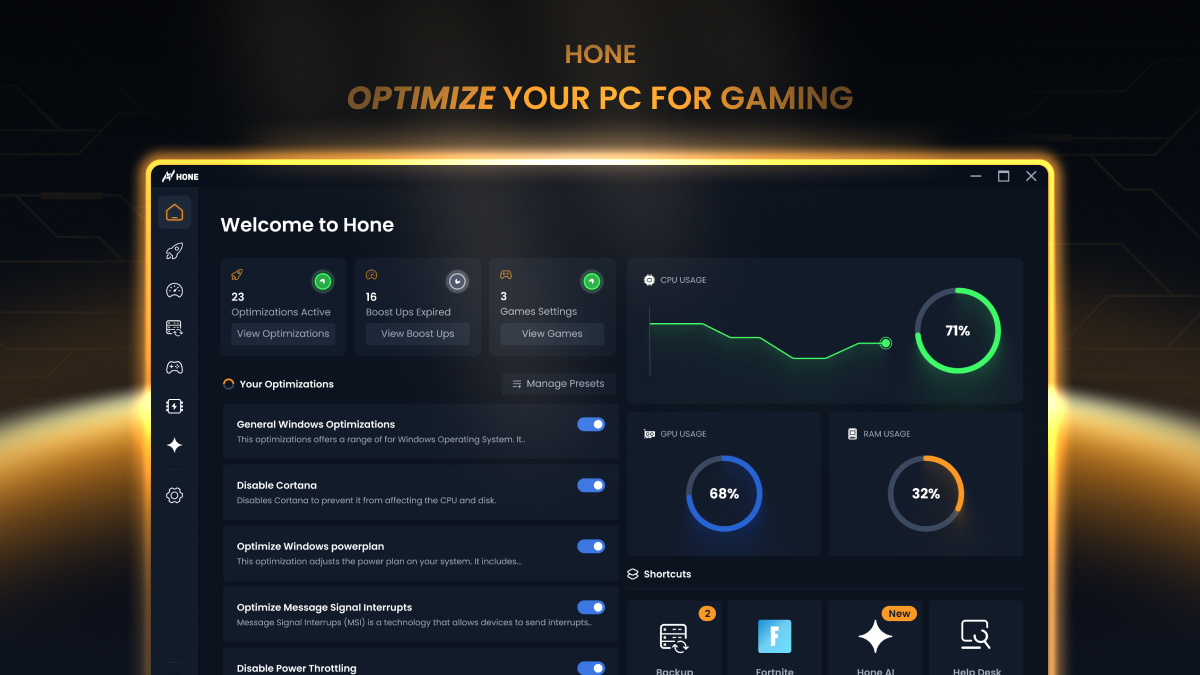
Debloating Windows 11 refers to the process of removing or disabling non-essential software, services, and features that come pre-installed with the operating system but aren't critical for gaming or general daily use. Think of it like tuning a sports car: you strip out the unnecessary weight to maximize speed and agility. For gamers, this means identifying and neutralizing background apps, telemetry services, and redundant system components that consume CPU, RAM, and disk I/O, directly impacting your in-game performance.
This optimization frees up valuable system resources, allowing your PC to allocate more power to your games. The goal is to create a leaner, faster, and more responsive gaming environment. By streamlining Windows 11, you can expect higher frame rates, reduced input lag, quicker boot times, and a generally snappier system, ensuring your focus remains on your game, whether you're climbing ranks in Valorant or exploring vast open worlds.
Why Is Debloating Windows 11 Essential for Optimal Gaming Performance?
Windows 11, like its predecessors, comes with a lot of built-in features, apps, and services designed for a broad user base. While some are useful, many are not needed by the average gamer and run silently in the background, consuming valuable system resources. These include telemetry services sending data, pre-installed bloatware like Candy Crush (yes, it's often there), and various background processes that can collectively create significant overhead.
For gamers, this overhead translates directly into performance bottlenecks. Even with powerful hardware, unnecessary background activity can lead to lower frame rates, inconsistent performance, micro-stutters, and increased loading times. Debloating addresses these issues by minimizing background resource consumption, ensuring that your CPU, GPU, and RAM are almost entirely dedicated to running your games. This is especially crucial for players balancing demanding games with older hardware or those on a budget, where every bit of performance gain truly matters.
How Can I Safely Debloat Windows 11 Without Breaking Anything?
Safety is paramount when debloating, as aggressive removal of essential system components can cause instability. The safest approach involves a combination of built-in Windows tools and reputable third-party scripts or applications, always with a restore point created beforehand. Here's a general approach:
- Use Windows Settings: Manually uninstall unwanted apps from 'Apps & features'.
- Disable Startup Programs: Use Task Manager to prevent non-essential programs from launching with Windows.
- Adjust Privacy Settings: Turn off excessive telemetry and background app permissions.
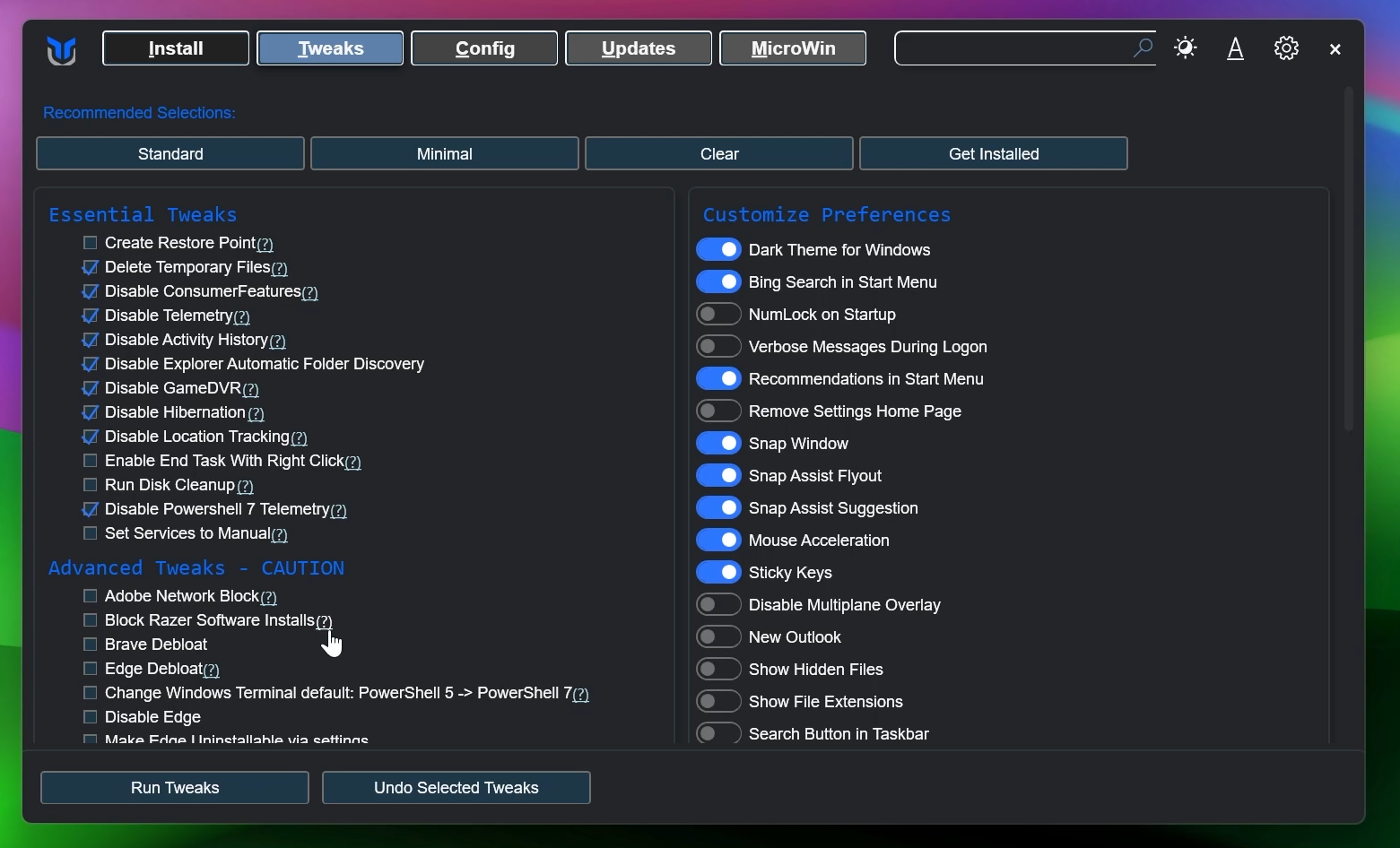
- Utilize Debloater Scripts: Community-driven PowerShell scripts (like Chris Titus Tech's Windows Utility) can automate many steps, but always research and understand what they do.
- Create System Restore Points: Before making any major changes, create a restore point. This is your lifeline if something goes wrong.
- Backup Important Data: As a general best practice, regularly back up your critical files.
Remember, a cautious and informed approach is key to debloating effectively and safely, avoiding potential system issues that could interrupt your precious gaming time.
What Are the Key Windows 11 Settings to Adjust for Gaming Performance?
Beyond removing bloatware, tweaking specific Windows 11 settings can significantly boost your gaming experience. These adjustments ensure your system prioritizes gaming performance. Here are some critical areas to focus on:
- Game Mode: Ensure Game Mode is enabled (Settings > Gaming > Game Mode). This feature optimizes your PC for gaming by prioritizing game processes.
- Graphics Settings: In Graphics Settings (Settings > System > Display > Graphics), add your games and set them to 'High performance'. This forces your system to use your dedicated GPU.
- Disable Startup Programs: Open Task Manager (Ctrl+Shift+Esc), go to the 'Startup' tab, and disable any non-essential programs that launch with Windows.
- Power Plan: Switch to a 'High Performance' or 'Ultimate Performance' power plan in Control Panel > Hardware and Sound > Power Options.
- Notifications & Focus Assist: Turn off notifications and enable Focus Assist (Settings > System > Focus) to minimize interruptions during gameplay.
- Background Apps: Go to Settings > Apps > Apps & features, click the three dots next to an app, choose 'Advanced options', and set 'Let this app run in background' to 'Never' for non-gaming apps.
These quick adjustments can often provide immediate, noticeable improvements to your gaming frame rates and overall system responsiveness.
Which Third-Party Tools Can Help Debloat Windows 11 for Gaming?
While manual debloating is effective, several reputable third-party tools can streamline the process, especially for gamers looking for comprehensive optimization without deep technical dives. Remember to download these tools from their official sources to avoid malware.
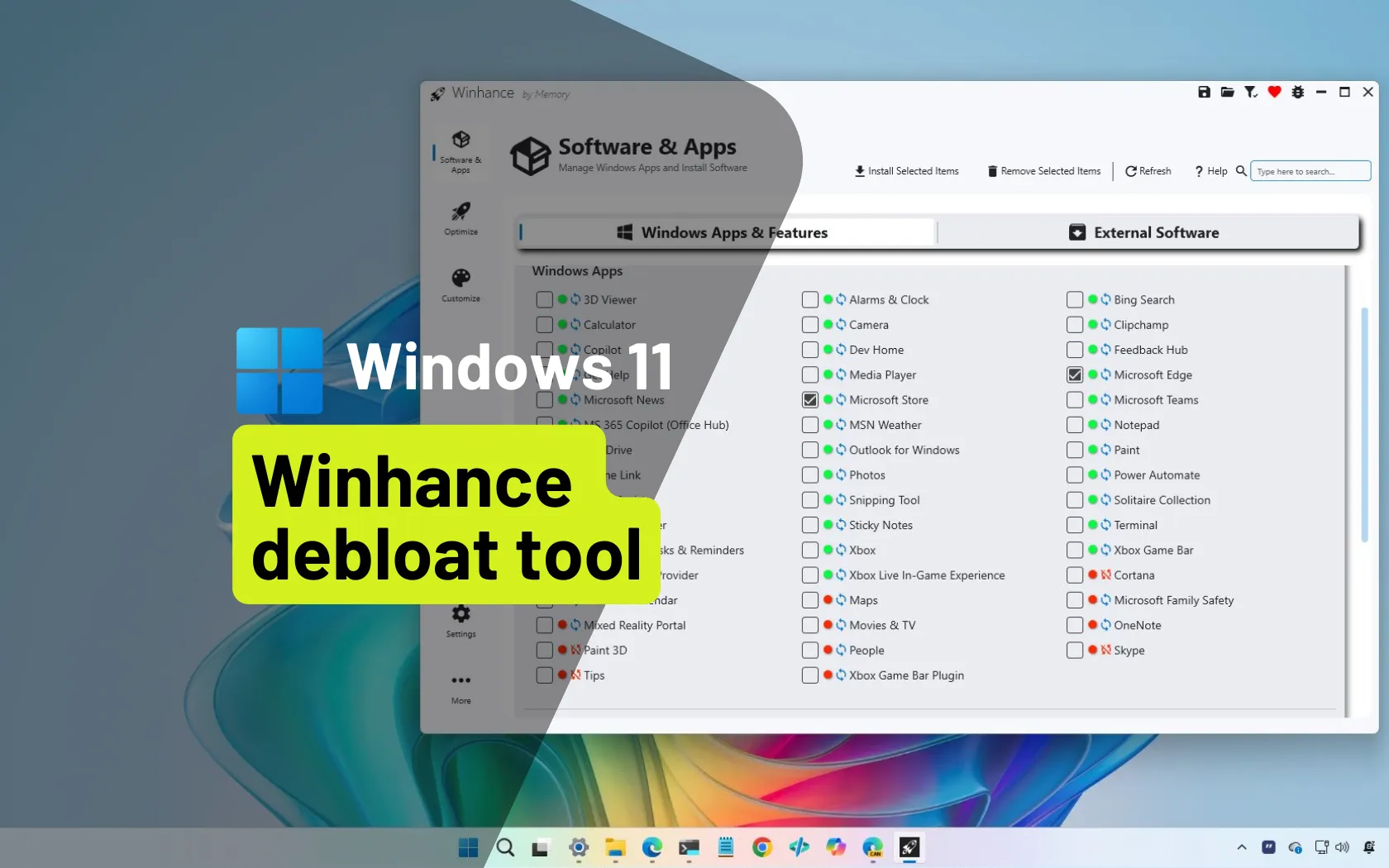
- **Chris Titus Tech's Windows Utility:** This popular PowerShell script provides a graphical interface to debloat Windows, install essential software, and optimize settings. It's highly configurable, allowing you to choose exactly what to remove or tweak. Many gamers trust it for its effectiveness and regular updates.
- **O&O ShutUp10++:** While named for Windows 10, it works effectively on Windows 11. This free portable tool gives you full control over privacy settings, telemetry, and various Windows features with simple toggle switches, helping to reduce background data collection and services.
- **Bloatware Removal Tool (BRT):** A community-driven script often found on GitHub that helps remove pre-installed Microsoft Store apps and other bloatware efficiently.
- **Disable Win Tracking:** Another simple, effective tool designed to disable various tracking and telemetry features in Windows, reclaiming privacy and resources.
Always review what a tool proposes to change before applying, and as a golden rule, create a system restore point before using any powerful debloating utility. This ensures you can revert if any unintended issues arise.
How Do Background Apps and Telemetry Impact My Gaming FPS?
Background applications and telemetry services can be silent killers of your gaming FPS. Every program running in the background, whether it's a chat client, a cloud storage sync app, or a system utility, consumes a portion of your CPU, RAM, and sometimes even disk I/O. Telemetry services, which send anonymous usage data back to Microsoft, also use CPU cycles and network bandwidth, however small individually, these add up.
When you're running a demanding game, your system needs every available resource. If Windows is busy updating apps, syncing files, or sending data in the background, those resources are diverted from your game. This competition for resources can lead to:
- Lower Average FPS: Fewer frames delivered per second.
- FPS Drops and Stuttering: Inconsistent frame delivery, especially during intense game moments.
- Increased Input Lag: A noticeable delay between your mouse/keyboard actions and on-screen response.
- Longer Loading Times: Games taking longer to load levels or assets.
- Higher Latency: For online games, background network activity can increase ping.
By debloating and carefully managing background processes, you ensure your game gets priority, leading to a smoother, more responsive, and more enjoyable experience, which is crucial for competitive play in titles like Call of Duty or Apex Legends.
What Post-Debloating Steps Should I Take to Maintain Performance?
Debloating is not a one-time fix; it's a continuous process to keep your system in top gaming shape. After the initial debloat, regular maintenance is key to sustained performance:
- **Regular Driver Updates:** Keep your graphics card (NVIDIA, AMD, Intel), chipset, and audio drivers updated. These often bring performance optimizations for new games and Windows updates.
- **Disk Cleanup and Defragmentation:** Regularly run Disk Cleanup to remove temporary files. If you have an HDD, defragment it; SSDs don't need defragmentation but benefit from TRIM (usually automatic).
- **Monitor Startup Programs:** New applications often try to add themselves to startup. Periodically check Task Manager and disable anything unnecessary.
- **Review Installed Apps:** After major Windows updates, new bloatware might reappear. Periodically check your 'Apps & features' list for unwanted installations.
- **Keep Windows Updated (Selectively):** While Windows updates can sometimes introduce bloat, they also bring security patches and performance improvements. Install them, but keep an eye on new features that might need disabling.
- **Check Game-Specific Settings:** Always optimize in-game graphics settings. Sometimes, slight tweaks there offer bigger gains than system-wide debloating.
- **Scan for Malware:** Use a reputable antivirus/antimalware program to ensure no malicious software is consuming resources.
By following these steps, you ensure your gaming PC remains a finely tuned machine, ready for any challenge the latest games throw your way. This proactive approach helps gamers, who are always on the lookout for value and performance, maximize their existing hardware without constant upgrades.
Are There Any Risks Associated with Debloating Windows 11?
Yes, there are indeed risks involved if debloating is done improperly or too aggressively. The main risks include:
- **System Instability:** Removing crucial system components or services can lead to crashes, freezes, or features not working as intended. For example, disabling essential security services could leave your PC vulnerable.
- **Loss of Functionality:** You might accidentally disable a feature you later realize you need, such as printing services, Bluetooth, or specific app functionalities.
- **Windows Update Issues:** Overly aggressive debloating can sometimes interfere with Windows Update, preventing future security patches or feature updates from installing correctly.
- **Driver Problems:** In rare cases, removing certain system components might conflict with specific hardware drivers, leading to device malfunctions.
To mitigate these risks, always:
- **Create a System Restore Point:** This is your safety net.
- **Research:** Understand what each debloating step or tool does.
- **Be Selective:** Don't just remove everything. Focus on known resource hogs.
- **Use Reputable Tools:** Stick to well-regarded debloater scripts and utilities.
For the busy gamer, taking a few minutes to be cautious upfront can save hours of troubleshooting later, ensuring your setup is optimized, not broken.
FAQ Section
Can debloating Windows 11 improve my online gaming latency?
Yes, debloating can indirectly improve online gaming latency by reducing background network traffic from unwanted apps and services. When fewer applications are competing for bandwidth, your game's connection to the server can be more stable and direct, potentially lowering your ping and reducing lag.
Will debloating void my Windows 11 warranty or license?
No, debloating Windows 11 typically involves software modifications and removals, not hardware changes. It will not void your Windows license. However, if you cause system instability that requires reinstallation, you'll still need your valid license key.
How often should I debloat my Windows 11 gaming PC?
It's not necessary to fully debloat frequently. A major debloat is usually a one-time event or after a fresh Windows installation. However, regularly checking for new startup programs, uninstalling new unwanted apps, and running occasional disk cleanups (monthly or quarterly) is good practice to maintain performance.
Are there specific apps I should definitely remove or disable?
Common targets for removal or disabling include many pre-installed Microsoft Store apps (like 3D Viewer, Cortana, Groove Music, Microsoft Teams personal), OneDrive (if not used), Xbox Game Bar (if you use an alternative overlay), and various telemetry services. Always ensure you don't remove critical drivers or security software.
Can I reverse debloating changes if something goes wrong?
Yes, if you created a system restore point before debloating, you can use it to revert your system to a previous working state. For individual app removals, you can often reinstall them from the Microsoft Store. This is why creating restore points is so highly recommended.
Does debloating make my Windows 11 less secure?
Not inherently, as long as you're careful. If you disable essential security features like Windows Defender or firewall components, then yes, it can. However, most debloating focuses on removing non-security bloatware and telemetry. Always ensure your antivirus and critical security services remain active.
Conclusion
In the dynamic world of gaming, where 87% of US adults are regular players, often dedicating over 10 hours a week, optimizing your setup is more than a tweak; it's essential for truly enjoying your valuable leisure time. Understanding how to debloat Windows 11 for gaming is a powerful step towards achieving that buttery-smooth performance you crave, whether you're battling foes or simply relaxing in a cozy game. By removing unnecessary bloatware and fine-tuning your system, you're not just gaining FPS; you're reclaiming your PC's full potential, making your existing hardware work smarter, not harder.
This isn't about buying new gear; it's about maximizing the value from what you already have, ensuring your balance between work, life, and gaming is truly rewarding. So, take these steps, reclaim your system resources, and dive back into your favorite titles with newfound speed and responsiveness. What's your biggest gaming challenge after optimizing your PC? Comment below and let's conquer it together!
Boost FPS and reduce latency for smoother gameplay, Free up critical system resources from unnecessary apps, Improve Windows 11 responsiveness and boot times, Optimize network settings for online multiplayer, Maintain a clean and efficient gaming PC without complex technical skills.
35

How To Debloat Windows 11 Safe Easy Methods Debloat Windows 11 Step 9 . Debloat Windows 11 A Safe Guide To Cleaning And Optimizing Debloat Windows 11 . How To Use Winhance To Debloat Windows 11 Winhance Debloat Windows 11 Tool Hero.webp. How To Use FlyOOBE To Debloat Windows 11 Windows 11 Debloat Flyoobe Hero.webp. How To Debloat Windows 11 10 Correctly YouTube




How To Install And DEBLOAT Windows 11 LTSC For The BEST PC Gaming . How To Debloat Windows 11 10 In Just 1 Click YouTube . How To Debloat Windows 11 For Better Performance Debloat Windows 11 Thumbnail . Debloat Windows 11 Master Tutorial Image. How To Debloat Windows 11 Safely For Faster Performance And Less Bloat Debloating Windows 11



Make Windows 11 Faster This Video Shows You How To Use NVIDIA Profile Media. How To Debloat Windows 11 10 The Ultimate Guide 2026 How To Debloat Windows 11 10 . 4 Safe Ways To Debloat Windows 11 Without Breaking Anything A Laptop Running Windows 11 Resting On A Turtle S Shell Surrounded By Warning Signs . Chris Titus Debloat Windows 11 Free Up Space With This Tool Chris Titus Debloat Windows 11 Featured . The One Command Setup How To Debloat Windows 11 Reclaim RAM 2026 How To Debloat Windows 11 600x337


How To Debloat Windows 11 10 Find Remove Bloatware Full List How To Debloat Windows 11 10 Find Remove Bloatware Full List . How To Use Debloat On Windows 11 To Improve System Performance Debloat Windows 11 . How To Debloat Windows 11 Debloat Windows 11 How To Guide . Debloat Windows 11 25H2 With This Simple Method Tech Based Image 3 . How To Debloat Windows 11 3D2F How To Debloat Windows 11


How To Debloat Windows 11 10 Find Remove Bloatware Full List Hone.gg Preview Image . Debloat Windows 11 For Better Performance 2026 TechLatest Windows 11 1392x783 . How To Debloat Windows 11 In 2026 The Safe Way Tech TipTricks How To Debloat Windows 11 In 2026 The Safe Way 1024x649 . Debloat Windows 11 Master Tutorial Image 1.webp. How To Debloat Windows 11 For A Faster PC Debloat Windows
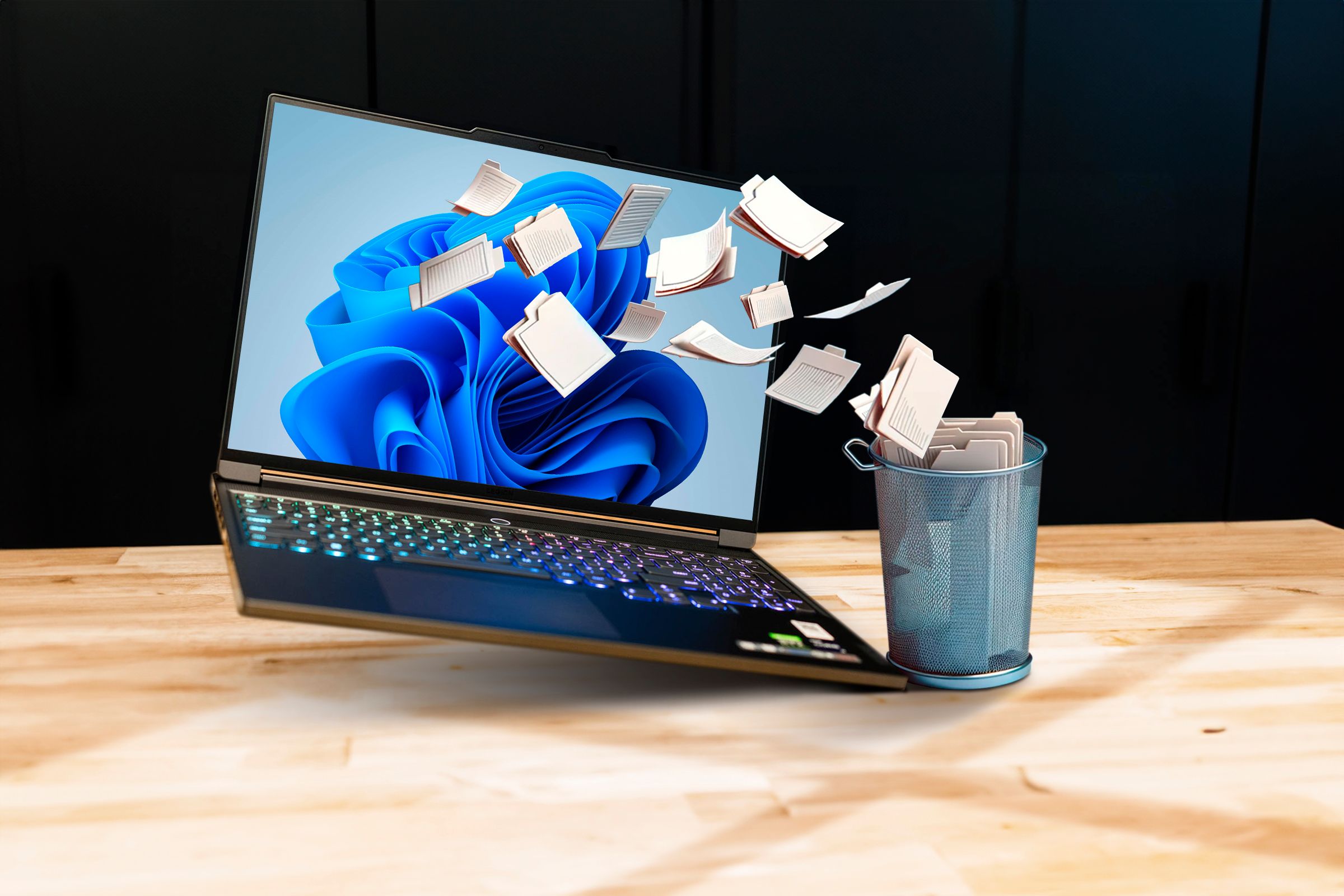

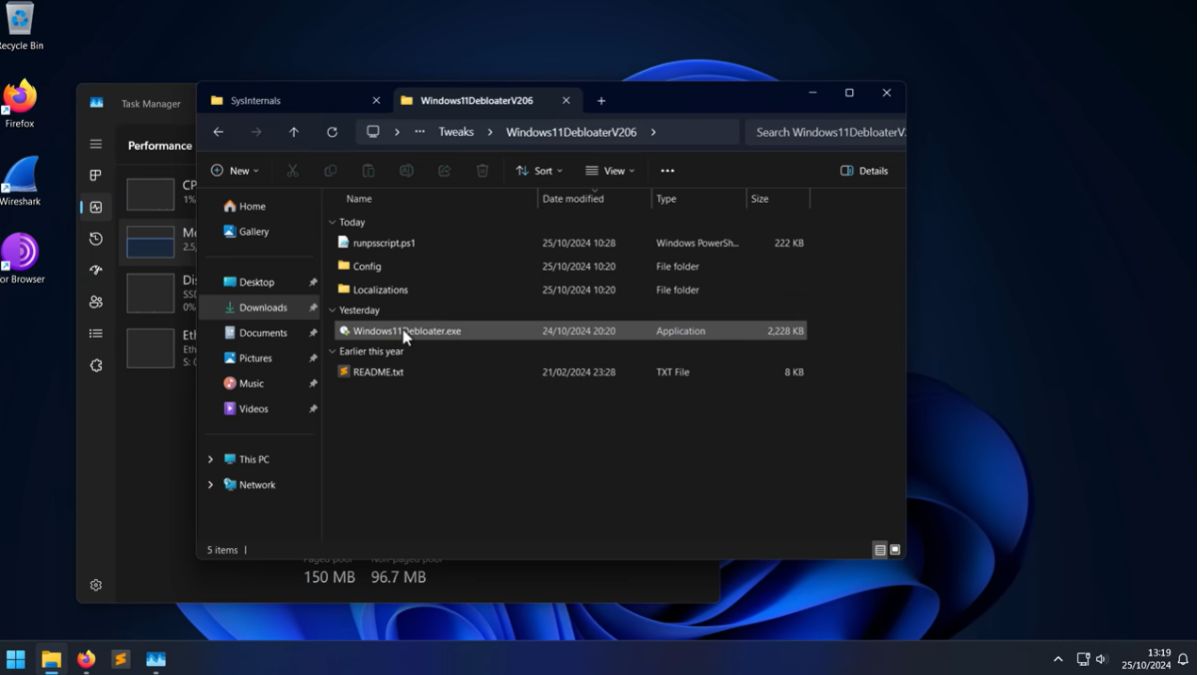
How To Debloat Windows 11 24H2 Safely Step By Step Guide Without Debloat Windows 11 24H2 .webp. How To Debloat Windows 11 For Optimal Performance A Windows 11 Laptop With Some Files Being Dumped Into A Trash Can . Top 5 Windows 11 Debloat Scripts Top 5 Windows 11 Debloat Scripts . Debloat Windows 11 25H2 With This Simple Method Tech Based THUMB 1 . How To Use Debloat On Windows 11 To Improve System Performance Debloat Windows 11 1


New Debloat Method For Windows 11 Rufus Update No Copilot MS Thumb 4 1536x864 . Debloat Windows 11 For Better Performance PDF Microsoft Windows 1. Install Fully Debloat Windows 11 25H2 2026 IPhone Wired 1769121302 . How To Use Debloat On Windows 11 To Improve System Performance Debloat Windows 11 3 . Fully Debloat Windows 11 To Unlock Maximum Performance YouTube