Many working professionals who also love gaming often wonder if their powerful gaming laptop can pull double duty effectively. This comprehensive guide dives deep into whether you can use gaming laptops for work, exploring their suitability for various professional tasks from basic office applications to demanding creative software. We address common concerns like battery life, portability, professional appearance, and overall value. Discover how a single high-performance machine might be the ultimate solution for balancing your career demands with your passion for gaming, offering insights into optimization tips, performance benefits, and what to consider when choosing a versatile device. Uncover the truth about leveraging your gaming rig for peak productivity without compromise.
Related games- Understanding Roblox Follower Botting A Gamers Guide
- Guide to Roblox Survival Codes Maximize Your Game
- Guide to Green Rainbow Friends Roblox Survival
- Guide to All Roblox Commands & How to Use Them
- How to Watch Game 3 Guide Stream Live and Free
Can a gaming laptop truly be a productive workhorse for my job?
Absolutely! Modern gaming laptops are packed with powerful CPUs, ample RAM, and dedicated GPUs, making them excel at demanding work tasks like video editing, 3D rendering, coding compilation, and complex data analysis. Think of them as high-performance machines that simply happen to be great at gaming too. For many professionals balancing work and passion, a single gaming laptop can handle both seamlessly, eliminating the need for separate devices.
How do I manage battery life when using my gaming laptop for work on the go?
Battery life is often the trade-off for raw power, but you can optimize it for work. Engage your laptop's "silent" or "power-saving" mode, reduce screen brightness, close unnecessary background apps, and disconnect peripherals. Many gaming laptops now offer MUX switches or Optimus technology, allowing you to disable the dedicated GPU for less demanding tasks, significantly extending battery life. Always carry your power brick for longer sessions, especially if you're frequently moving between locations.
Will a gaming laptop look too "gamer" in a professional office environment?
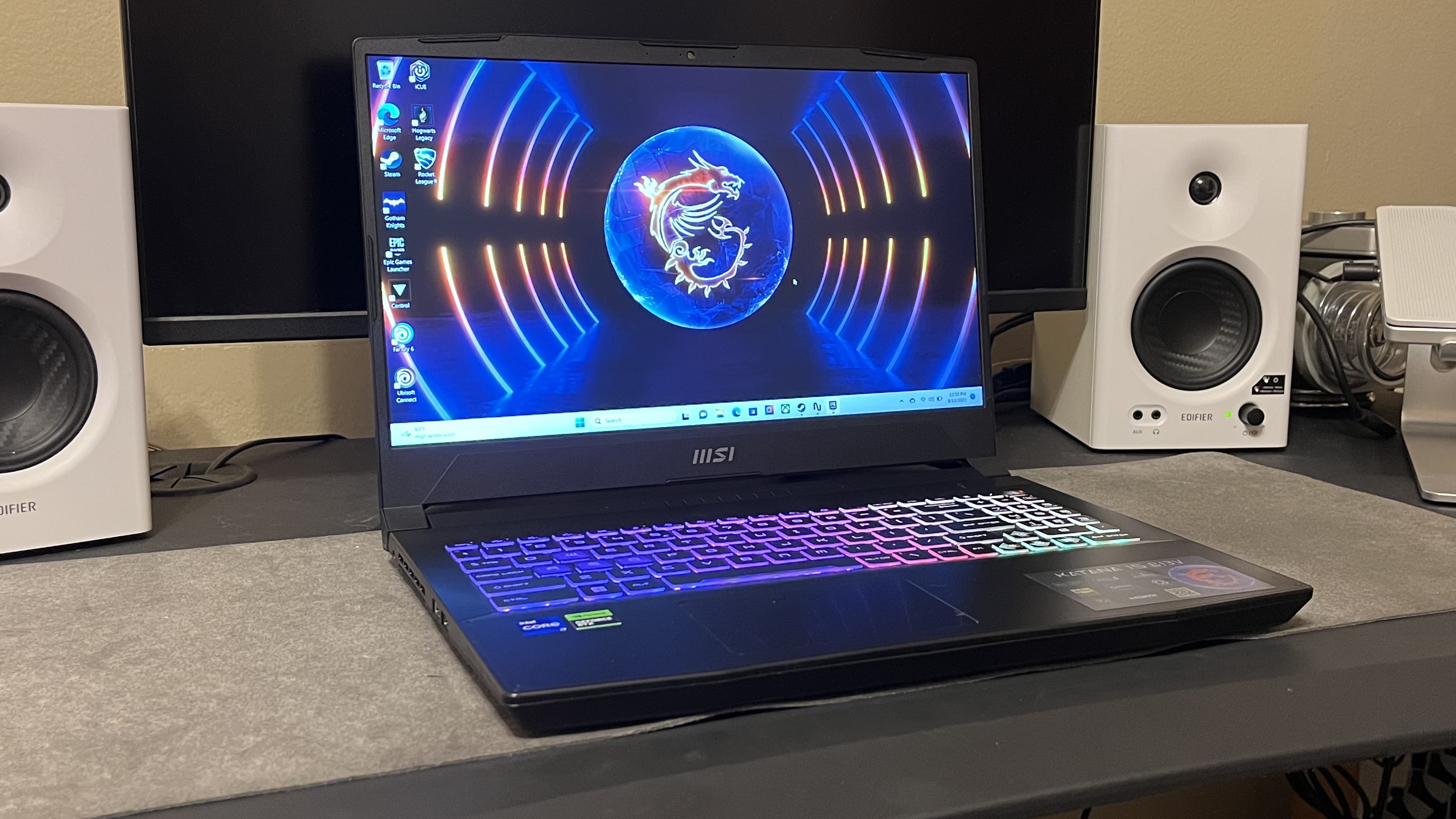
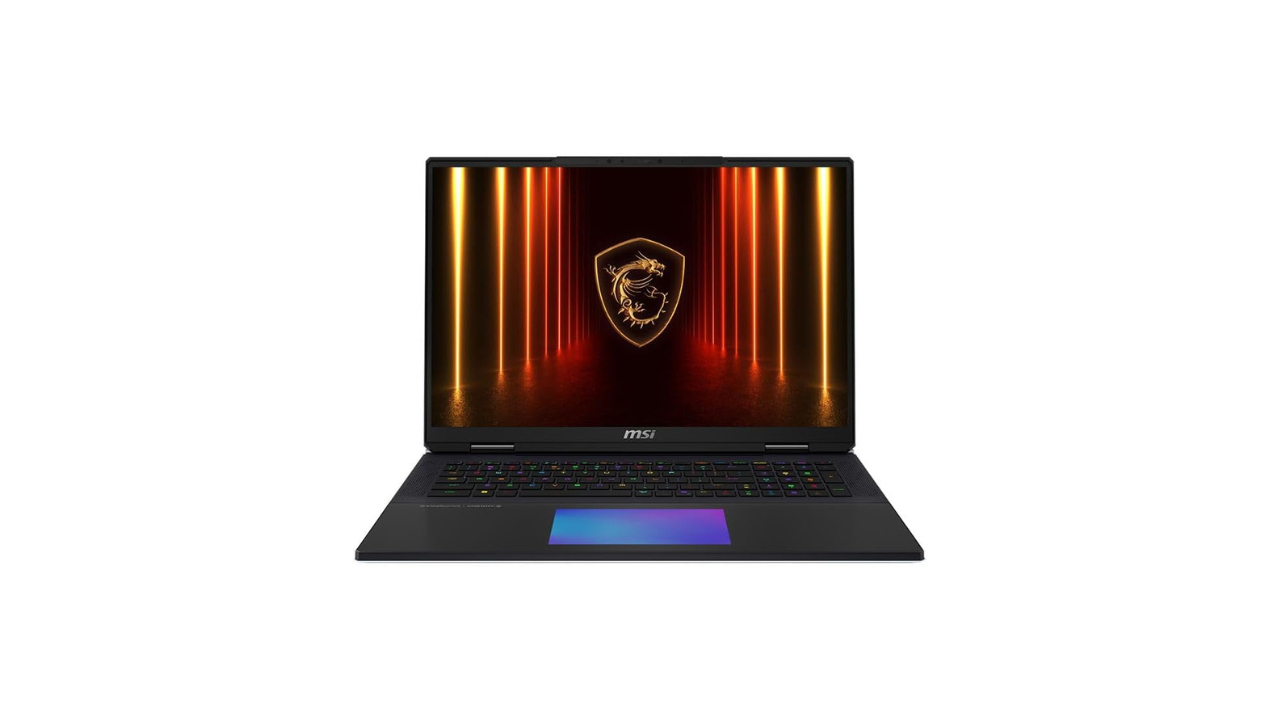
Not necessarily anymore. While some gaming laptops still sport aggressive aesthetics and bright RGB, many manufacturers like Razer, MSI, and ASUS ROG offer increasingly sleek, minimalist designs that blend into professional settings. Look for models with understated chassis, subtle or controllable RGB lighting, and a professional finish. You can often customize lighting to a single color or turn it off entirely for a more discreet look, making it perfectly suitable for meetings or client presentations.
What types of work tasks are gaming laptops uniquely suited for?
Gaming laptops shine in tasks requiring significant computational horsepower and graphical processing. This includes video editing (especially 4K), 3D modeling and rendering (CAD, Blender, Maya), graphic design, game development, software compilation, machine learning, and data science. The dedicated GPU accelerates these processes far beyond what most standard business laptops can achieve, making workflows smoother and faster. Even for heavy multitasking with many browser tabs and applications, the abundant RAM and powerful CPU keep things snappy.
Are gaming laptops louder or hotter during work use compared to business laptops?
Gaming laptops can indeed be louder and hotter when pushed, especially during gaming sessions or intensive creative work tasks. However, for typical office productivity like documents, emails, and web browsing, they usually operate in a much quieter, cooler state, similar to a business laptop. Manufacturers have improved thermal designs, and most offer "silent" or "power-saving" modes that reduce fan speed and power consumption for light workloads. If you're doing heavy creative work, expect some fan noise, but it's generally manageable.
Is a gaming laptop a smart long-term investment for someone who games and works?
For many, yes! A powerful gaming laptop represents a single, versatile investment. You get a machine capable of handling demanding professional software, current and future AAA games, and everyday tasks with ease. While the initial cost might be higher than a basic work laptop, you avoid buying two separate devices. Its robust specs mean it often stays relevant longer for both gaming and work, providing excellent value for money, especially for busy adults who want one reliable device for all their digital needs.
How can I ensure my gaming laptop is secure enough for sensitive work data?
Security is paramount. Treat your gaming laptop like any other work device. Implement strong passwords, enable biometric login (fingerprint reader, facial recognition if available), and use full-disk encryption (BitLocker for Windows Pro). Install reputable antivirus and anti-malware software, keep your operating system and applications updated, and use a VPN for secure connections on public Wi-Fi. Many modern gaming laptops include TPM chips, enhancing hardware-level security, making them just as secure as dedicated business machines when properly configured.
Hey fellow gamers and busy professionals! Ever stared at your powerful gaming laptop, fresh off a triumph in your favorite game, and wondered, "Can this beast actually handle my demanding work too?" You're not alone. In 2026, the average US gamer is around 36 years old, and a whopping 87% play regularly, often logging 10+ hours a week. We're juggling careers, families, and life's endless responsibilities, yet still crave that valuable relaxation, fun, and social connection gaming provides. The idea of one device that can seamlessly transition from rendering a 3D model for work to rendering a stunning open world for play is incredibly appealing, especially when we value performance optimization and getting the best value for our hard-earned money.
The pain points are real: dedicated work laptops often lack the punch for serious creative tasks or unwinding with the latest AAA titles, while gaming rigs sometimes seem too flashy or power-hungry for the office. But what if your gaming laptop could be the ultimate dual-purpose machine? This article is your guide to understanding how gaming laptops fit into the professional world. We'll explore their strengths, tackle their weaknesses, and give you practical, no-hype advice on whether a gaming laptop truly can be your go-to for both crushing spreadsheets and conquering raid bosses.
Can You Really Use a Gaming Laptop for Work Effectively Today?
Yes, absolutely! The short answer is a resounding yes. Modern gaming laptops are more than just powerful gaming machines; they are high-performance computing devices packed with top-tier components. We're talking about the latest multi-core Intel Core Ultra or AMD Ryzen processors, abundant RAM (often 16GB, 32GB, or more), fast NVMe SSD storage, and crucially, dedicated GPUs like NVIDIA GeForce RTX or AMD Radeon RX. These specifications aren't just for pushing frames in the latest titles; they are ideal for demanding professional applications. From intensive data analysis and complex software development to 4K video editing and 3D rendering, a gaming laptop often outperforms many traditional business laptops designed for general office tasks. For those who balance a career with their gaming passion, this versatility is a game-changer.
What Makes Gaming Laptops So Good for Productivity Tasks?
Gaming laptops excel in productivity due to their robust hardware. The powerful CPUs handle heavy multitasking with ease, allowing you to run multiple demanding applications simultaneously without slowdowns. The ample RAM ensures smooth transitions between tasks and efficient handling of large files. However, the dedicated GPU is where they truly shine for specific work types. Video editors benefit from hardware-accelerated rendering, graphic designers get faster processing for complex art, and engineers can perform CAD simulations or compile code much quicker. Even users dealing with large datasets or running virtual machines will find the extra horsepower invaluable. Furthermore, many gaming laptops feature high-resolution, color-accurate displays, which are critical for creative professionals, making them more suitable than many standard business displays.
Are There Downsides to Using a Gaming Laptop for Daily Work?
While powerful, gaming laptops do come with a few potential drawbacks for daily work. Battery life is often the most significant compromise; dedicated GPUs and high-refresh-rate screens consume more power, meaning you'll likely need to stay tethered to an outlet more often than with a thin-and-light business laptop. They also tend to be heavier and bulkier, making them less ideal for frequent travel or commuters. Noise can be another factor; while quiet during light tasks, the fans will spin up under heavy load, which might be distracting in a quiet office environment. Lastly, the aesthetics can sometimes be a concern. While many brands now offer sleeker designs, some gaming laptops still feature aggressive styling and prominent RGB lighting that might not fit every professional setting.
How Do Gaming Laptops Compare to Business Laptops for Professional Use?
When comparing gaming laptops to business laptops for professional use, it boils down to priorities. Business laptops prioritize portability, long battery life, enterprise-level security features, and often a more subdued aesthetic. They're excellent for general office tasks, email, web browsing, and presentations. Gaming laptops, on the other hand, prioritize raw performance. They offer superior processing power and graphics capabilities, making them much better for tasks like video editing, graphic design, software development, and scientific computing. While business laptops might have better keyboard ergonomics and security features like TPM chips and fingerprint readers, many modern gaming laptops are catching up in these areas. For a similar price point, a gaming laptop often offers significantly more horsepower for demanding applications, making it a better value for power users.
Which Work Tasks Benefit Most from a Gaming Laptop's Power?
Gaming laptops truly shine in work tasks that demand significant computational and graphical resources. This includes:
- Video Editing and Production: 4K and 8K video rendering, special effects, and color grading are vastly accelerated by powerful GPUs.
- 3D Modeling, Animation, and CAD: Designers and engineers rely on dedicated GPUs for real-time rendering and complex simulations.
- Graphic Design and Photography: Programs like Photoshop and Illustrator run smoother, especially with large files or intricate effects.
- Software Development and Compilation: Compiling large codebases or running multiple virtual machines benefits immensely from multi-core CPUs and abundant RAM.
- Data Science and Machine Learning: GPU acceleration is critical for training complex AI models and processing large datasets.
- Streaming and Content Creation: For those who create content professionally, the power to game, record, and stream simultaneously is essential.
What Are Key Considerations When Choosing a Gaming Laptop for Both Work and Play?
When selecting a gaming laptop for dual-purpose use, consider these factors:
- Processor (CPU): Aim for the latest generation Intel Core i7/i9 or AMD Ryzen 7/9 for robust performance.
- Graphics Card (GPU): A dedicated NVIDIA RTX 40-series or AMD Radeon RX 7000-series ensures strong gaming and creative app performance.
- RAM: 16GB is a good baseline, but 32GB future-proofs you for more demanding work and multitasking.
- Storage: A fast NVMe SSD (512GB minimum, 1TB+ recommended) provides quick boot times and application loading.
- Display: Look for a screen with good color accuracy (e.g., 100% sRGB) for creative work, and a high refresh rate (120Hz+) for smooth gaming.
- Battery Life: While not a strong suit, some models offer better battery performance for light work tasks. Check reviews for real-world usage.
- Portability: Consider the weight and thickness if you travel frequently. Newer models are becoming lighter and slimmer.
- Keyboard and Trackpad: A comfortable keyboard is crucial for typing.
- Cooling: Efficient cooling systems prevent throttling during long work or gaming sessions.
- Aesthetics: Opt for a more subdued design if professional appearance is important.
How Can You Optimize a Gaming Laptop for a Professional Environment?
Optimizing your gaming laptop for work involves a few smart adjustments. Firstly, utilize the manufacturer's software (like NVIDIA's GeForce Experience or AMD Adrenalin) to create power profiles. Switch to a "silent" or "power-saving" mode when doing light office work to reduce fan noise and extend battery life. Disable unnecessary background apps and services. Invest in quality peripherals: an ergonomic external keyboard and mouse, and a docking station can transform your setup into a comfortable workstation. For presentations, ensure any aggressive RGB lighting is turned off or set to a professional single color. Keeping your desktop clean and organized also contributes to a professional feel. Remember, a gaming laptop is a tool; how you use and present it makes all the difference.
Does a Gaming Laptop's Aesthetic Fit Into a Professional Setting?
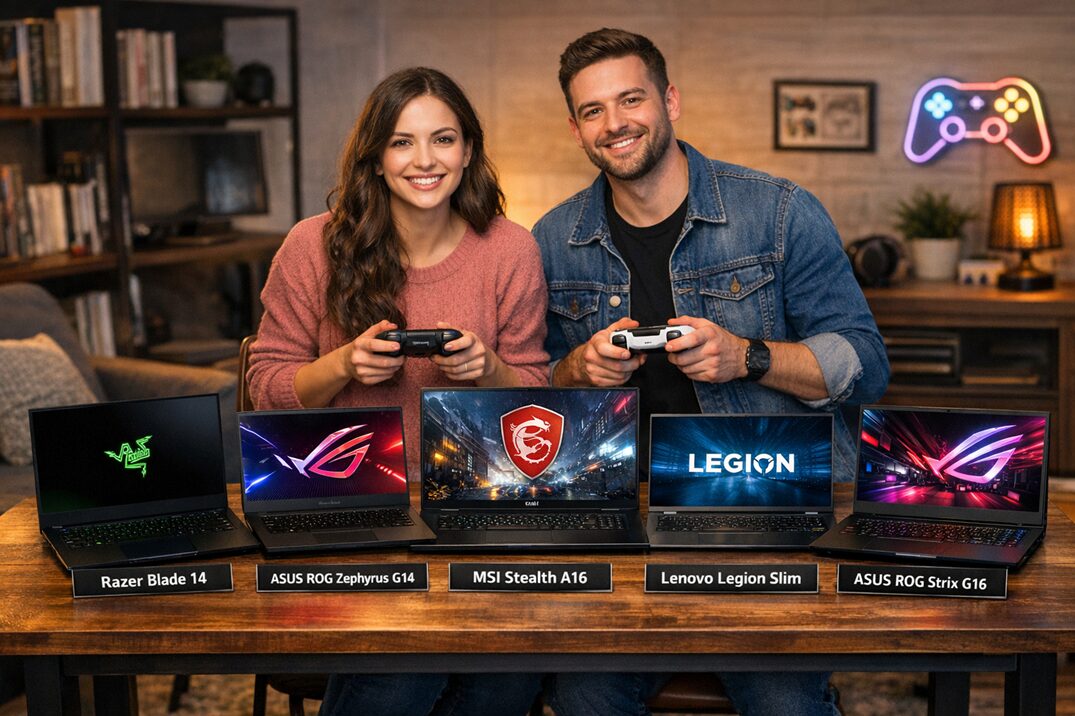
The days of all gaming laptops screaming "gamer" are largely behind us. While some models still feature aggressive lines and bright RGB, many manufacturers now offer much sleeker, more minimalist designs that blend seamlessly into a professional environment. Brands like Razer, MSI (Stealth series), ASUS ROG (Zephyrus series), and Gigabyte Aorus often have models with subtle branding, understated chassis, and controllable RGB lighting that can be dimmed or turned off entirely. Choosing a model with a dark, brushed metal finish and clean lines can make it indistinguishable from a high-end business laptop. Focus on models marketed as "thin and light" gaming laptops, as these often prioritize a more refined aesthetic without sacrificing performance.
What About Battery Life and Portability for Work On The Go?
Battery life and portability are often the Achilles' heel of gaming laptops when it comes to work on the go. High-performance components consume more power, leading to shorter battery durations compared to ultrabooks. Typically, you can expect 3-6 hours for moderate work tasks without gaming, but this varies wildly by model and usage. Always carry your charging brick, as it's often a hefty one. For portability, while some models are slim and relatively light, they rarely match the featherlight feel of dedicated business ultrabooks. If you commute daily or frequently work from cafes, look for models under 5 pounds and with robust build quality. Utilizing power-saving modes and disabling the dedicated GPU (if your laptop supports MUX switch or Optimus) can significantly stretch battery life for critical tasks away from an outlet.
Is It Cost-Effective to Buy One Powerful Gaming Laptop Instead of Two Separate Devices?
For many, particularly busy adults balancing work and gaming, a single powerful gaming laptop is incredibly cost-effective. Consider the alternative: a decent business laptop for work and a dedicated gaming desktop or laptop for play. The combined cost of two capable machines can easily exceed that of one high-end gaming laptop. Furthermore, you save space, reduce maintenance, and simplify your digital life by having all your files and applications on one device. This approach offers significant value for money, as the robust specs of a gaming laptop mean it will remain powerful and relevant for both professional software and future game titles for years to come. It’s a smart investment in versatility and longevity.
How Does Cooling Affect Long-Term Work Performance and Longevity?
Effective cooling is crucial for both gaming and sustained work performance, and it directly impacts the longevity of your gaming laptop. When a laptop heats up, components like the CPU and GPU will
High performance for demanding tasks, Versatility for work and play, Enhanced multitasking capability, Strong graphical processing for creative work, Considerations for battery life and portability, Aesthetic choices for professional settings, Cost effectiveness of a single device, Optimization tips for professional use.
35

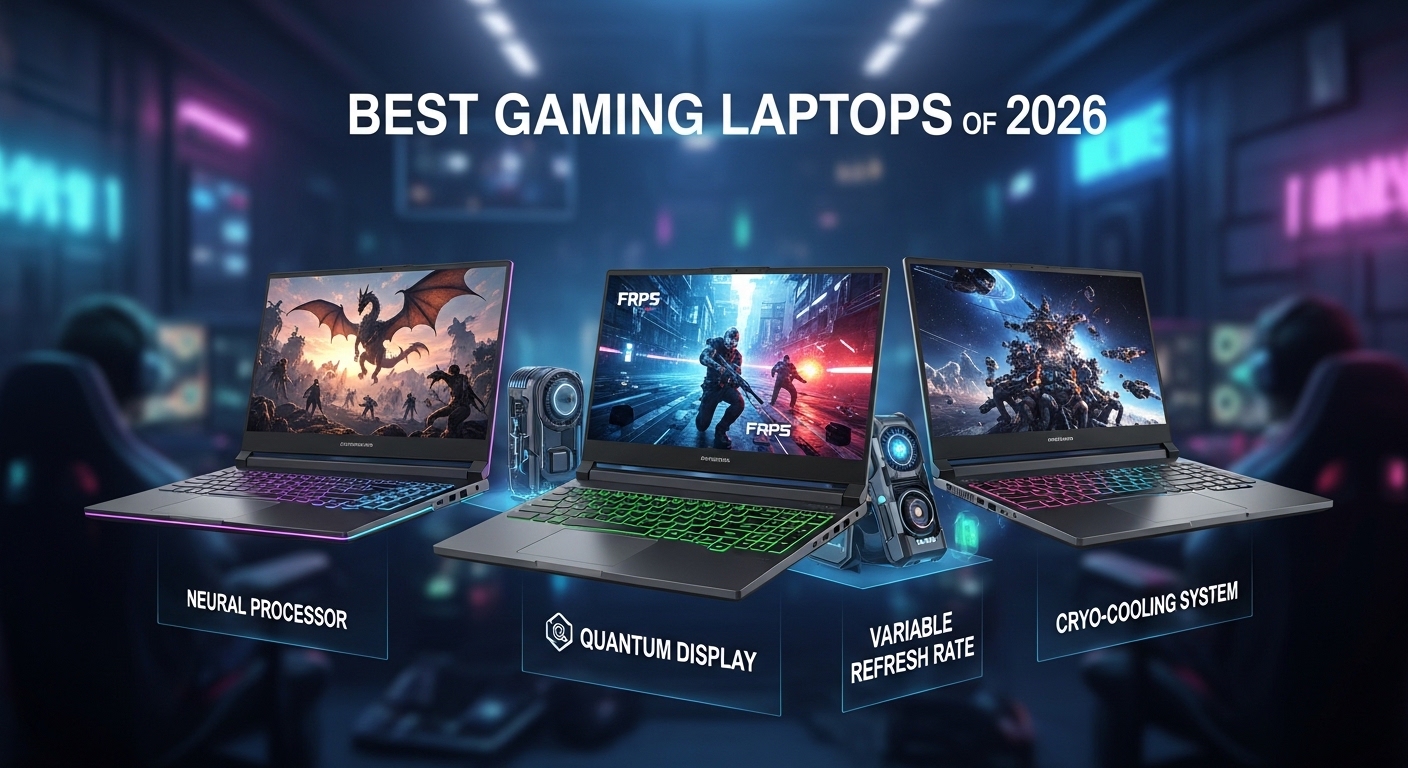


Best Gaming Laptops At CES 2026 RTX 5090 Options Dual Screen Picks Lenovo Legion Pro Rollable Concept. Check Out The Latest ROG Gaming Gear Revealed At CES 2026 . Best Gaming Laptops In 2026 Life Style Tech And Digital Whisk . 2026 Laptop Buying Guide Gaming Laptops Vs Regular Laptops Achiever Blog 1 2048x1152 . The Best Cheap Gaming Laptops For 2026 Tested For Gaming Top 3 Gaming Laptops Of 2026 - The Ultimate Guide
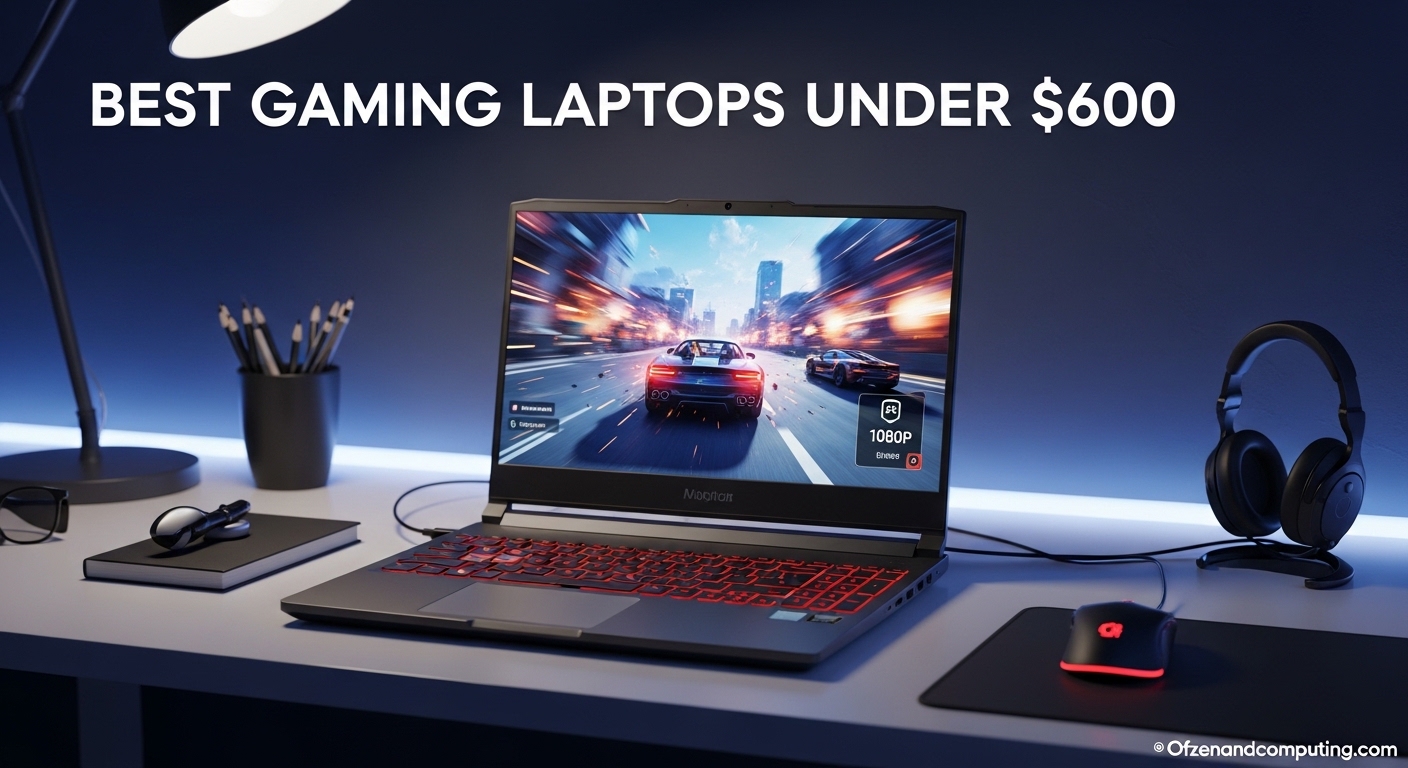
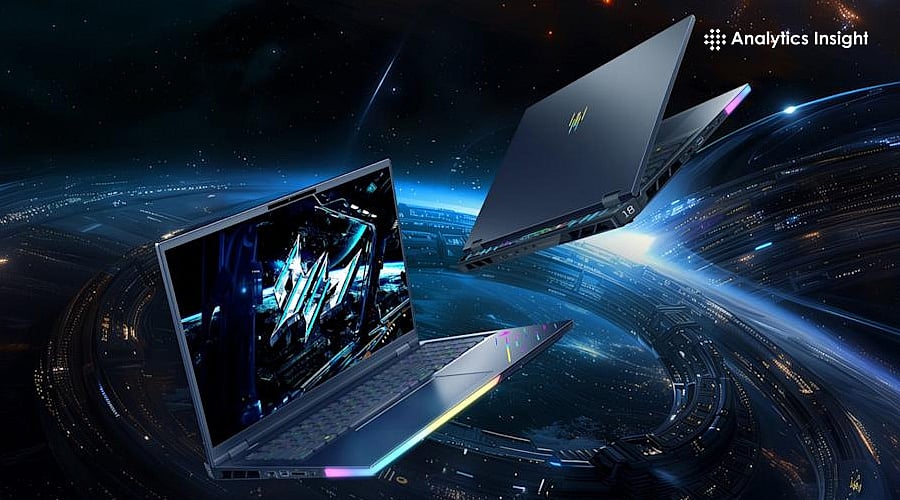

10 Best 2 In 1 Laptops In June 2026 Convertible Notebooks Best Gaming Laptops Under 600 . Top Gaming Laptops In 2026 For Epic Performance Top Gaming Laptops For 2026Most Powerful Picks . 12 Best Laptops For Work And Gaming 2026 Tested Reviewed Featured Image V3oa7w87 300x210 . 12 Best Budget Laptops For Work And Gaming In 2026 Models Tested Featured Image Nww6l19f 300x210 . Can You Use A Gaming Laptop For Work At Dustin Richards Blog


Best Laptops In 2026 Top Picks For Work Gaming Everyday Use Laptop . Lenovo To Release An Ultrawide Legion Pro Gaming Laptop With Rollable Lenovo Legion Go Pro Rollable . 5 Best Laptops For Work Gaming And Design 5 Best Laptop For Work Gaming And Design 1000x700 . Best Gaming Laptops 2026 Forbes Vetted 0x0 . Best Gaming Laptops In 2026 Brand Rankings Streaming Picks Real Best Gaming Laptops 1.webp
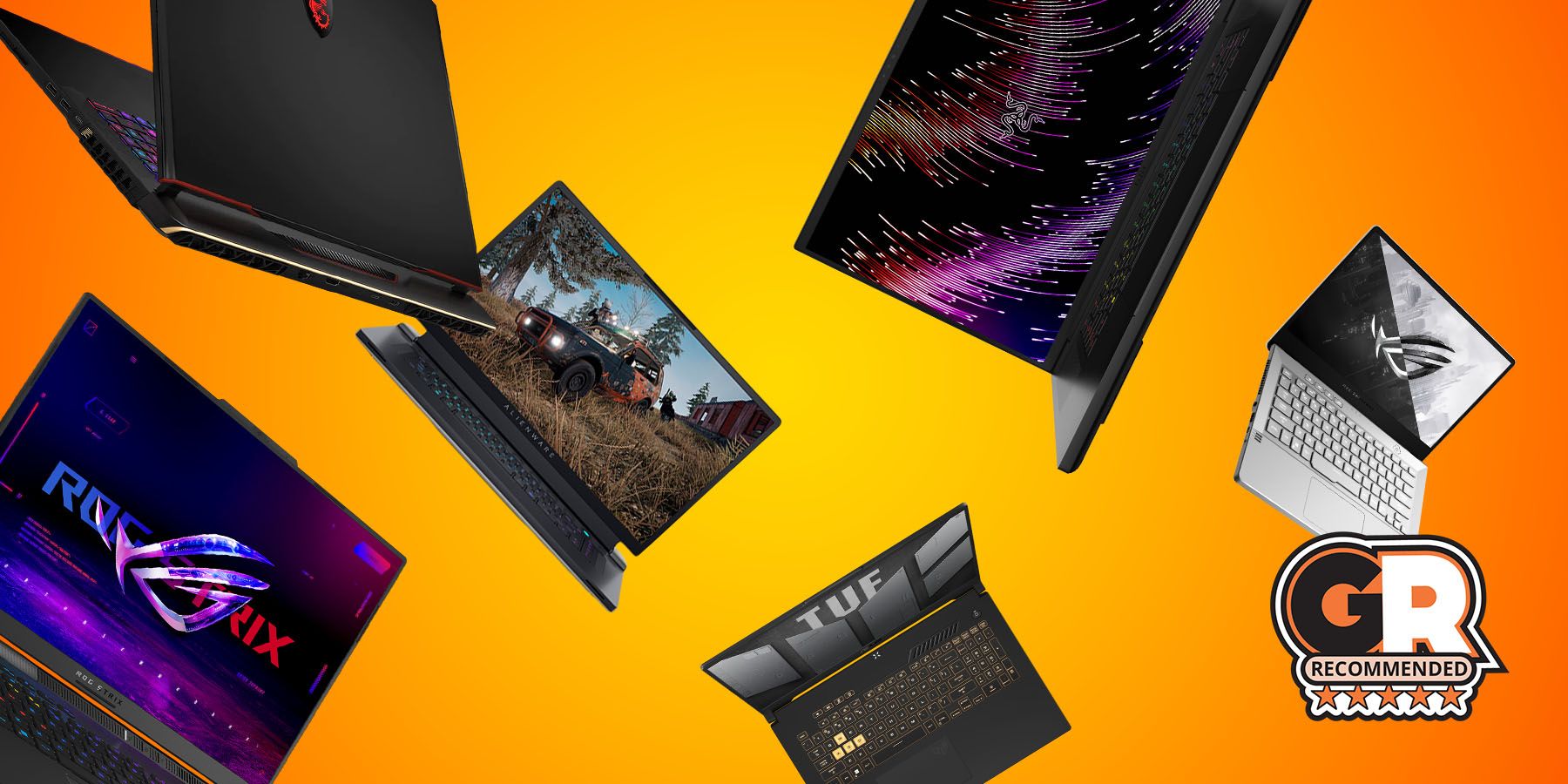
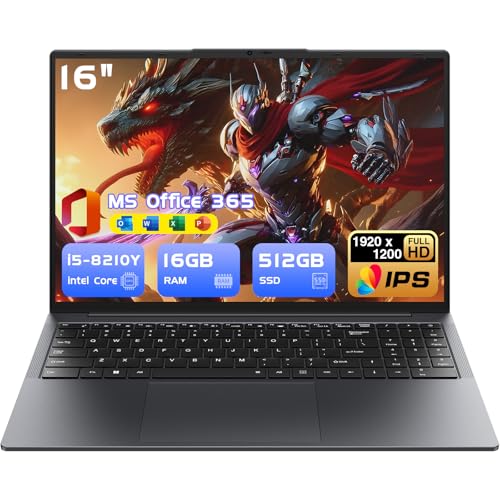


Can You Use A Gaming Laptop For Work At Dustin Richards Blog Best Laptops Gaming Work Msi Asus Alienware Razer Game Rant Recommended Feature . 12 Best Laptops For Work And Gaming 2026 Tested Reviewed 515YYAC 9RL . Best Laptops 2026 Top Picks For Every Budget Use Case Xthe Best Laptops 2026 Top Picks For Every Budget Use Case 750x350 . The Best Laptops For Gaming And Schoolwork In 2026 E734c190 D44d 11f0 Badd. Best Gaming Laptops For 2026 Top Picks And Reviews Tech In Deep Best Gaming Laptops For 2026 300x300

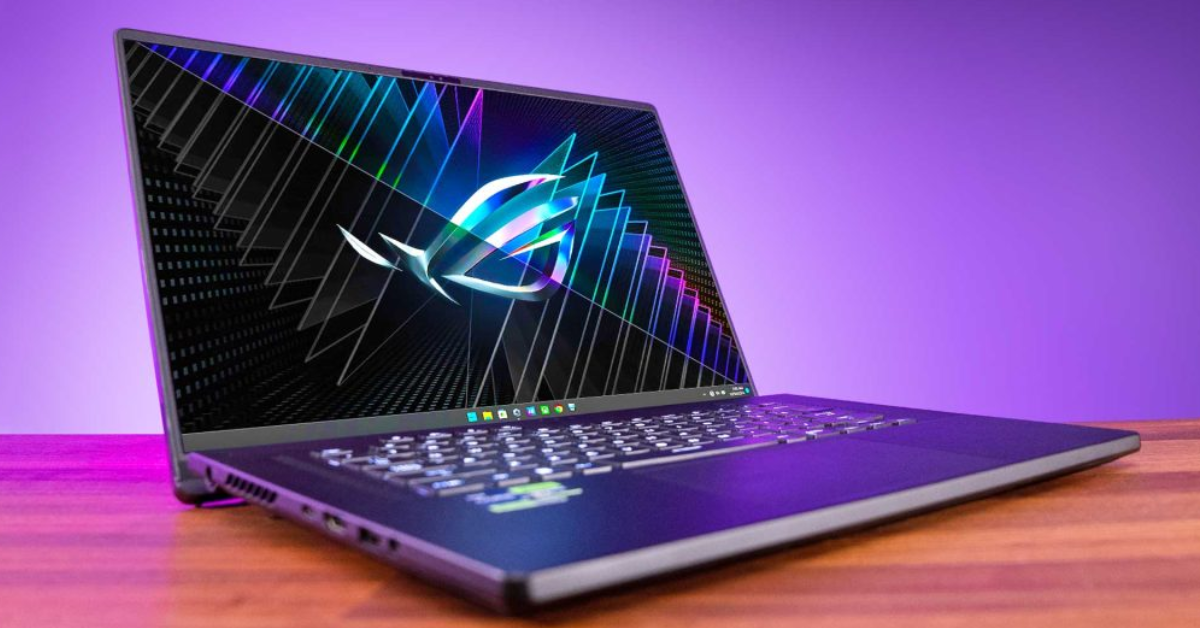
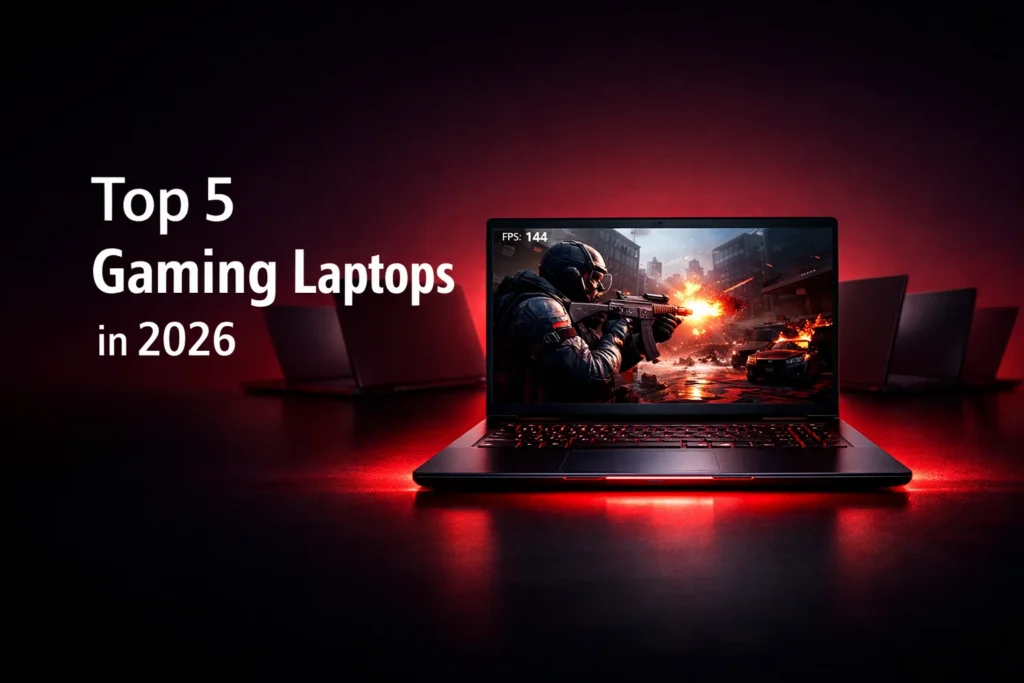
Best Gaming Laptops For Every Type Of Gamer In 2026. Gaming Laptops Are They Truly Worth It In 2024 Gaming Laptops . Best Gaming Laptops 2026 Top 5 Picks With RTX 50 GPUs Price Comparison Top 5 Gaming Laptops In 2026. 10 Best Laptops For Network Engineers In 2026 Tested Best Gaming Laptops . 15 Best Gaming Laptops Of 2026 That Deliver Power And Portability Mad Top Gaming Laptops 2026 1835q
Top Gaming Laptops In 2026 For Epic Performance Best Battery Life Laptops In 2026 Top Picks For All Day Performance 1 . The 3 Best Gaming Laptops Of 2026 Expert Reviews Picks The 3 Best Gaming Laptops Of 2026.webp. Top 5 Gaming Ultrabook Laptops In 2026 Guidantech Smart Gadgets Choosing The Best Gaming Laptop . Can Gaming Laptops Be Used For Work Here S What You Need To Know Ab2f0088 B36c 48a6 97ca . Best Gaming Laptops 2026 Top 10 Picks By Budget Performance What Are The Best Laptops For Gaming In 2024 1200x600


Top 10 Best Gaming Laptops Under 50000 You Should Buy In 2026 Flypped 1774335069. 12 Best Laptops For Work And Gaming 2026 Tested Reviewed 41VJZHOqfAL . 10 Best Desktop Replacement Laptops For March 2026 Upgradable Best MSI Laptops . BEST GAMING LAPTOPS IN 2026 REVIEWED AND RANKED Technical . Top 5 Best Gaming Laptops For 2026 The Ultimate Guide 2026 Rank1one Gaming Laptops