The virtual worlds we explore and invest our time in are becoming increasingly complex not just with new game mechanics or social features but also with real world legal challenges One such trending topic drawing significant attention from the gaming community especially those balancing demanding jobs and family life with their love for digital escapism is the potential ariana grande suing roblox situation This isnt just celebrity gossip its a pivotal moment highlighting the evolving landscape of intellectual property rights within the metaverse Gamers who spend their precious hours building creating and socializing on platforms like Roblox need to understand how disputes over virtual likenesses and creations could reshape their digital experiences from the types of content they access to the rules governing user generated experiences This deep dive offers navigational and informational clarity on what could be a game changer for digital ownership and creator rights in our beloved virtual playgrounds This article explores the whats and whys of this legal development providing essential insights for every engaged player and creator
Related games- Guide Aimbot Mobile Roblox Script Risks & Fair Play
- Guide GTA PSP Vice City Stories Cheat Codes
- Guide Best Custom PC Builder 2024 Your Gaming Edge
- Guide To Drake Roblox ID 2024 Find Music Now
- Guide to Roblox Guidelines: Stay Safe & Have Fun
What is the core issue in Ariana Grande's potential lawsuit against Roblox?
The core issue revolves around alleged intellectual property infringement, specifically concerning the unauthorized use of Ariana Grande's likeness, music, or performance style within Roblox experiences, particularly those mimicking virtual concerts or promotional events. It questions who owns what in user-generated content platforms.
Why is a celebrity like Ariana Grande suing a gaming platform like Roblox?
Celebrities pursue legal action to protect their brand, image, and intellectual property from unauthorized commercial exploitation. For a platform like Roblox, where user-generated content can generate real-world revenue, the unauthorized use of a celebrity's persona is a direct challenge to their rights and potential earnings.
How might this lawsuit affect content creators on Roblox?
This lawsuit could establish stricter guidelines and enforcement mechanisms for intellectual property on Roblox. Creators might face increased scrutiny over character likenesses, musical content, and virtual event designs, potentially leading to more cautious UGC development and clearer rules on what is permissible.
What are the implications for virtual concerts and branded events in games?
The implications are significant. If successful, such a lawsuit could mandate more rigorous licensing agreements for virtual concerts and branded content featuring celebrities. It would emphasize the need for explicit permissions, potentially increasing costs or limiting spontaneous, fan-made experiences.
Is this the first time a celebrity has had IP issues with a virtual platform?
No, similar intellectual property disputes involving celebrities and virtual worlds have occurred before, though perhaps not always reaching a lawsuit stage. Cases often involve fashion items, character skins, or virtual performances, highlighting an ongoing challenge in the rapidly evolving metaverse.
What does 'intellectual property' mean for gamers in virtual worlds?
For gamers, intellectual property means the rights to their creations, designs, and content within a virtual space. This lawsuit underscores that real-world IP laws extend into digital realms, impacting everything from custom avatars and game assets to licensed music or character elements users might incorporate.
How can gamers identify legitimate celebrity content versus unauthorized content on Roblox?
Legitimate celebrity content on Roblox is usually officially announced by Roblox or the celebrity's official channels, often featuring dedicated official experiences or branded items. Unauthorized content typically appears in user-created games without explicit official endorsements and may use generic names or slight alterations to avoid direct infringement claims.
Ever feel like your virtual world is too perfect to be true? Lately, it's getting a dose of real-world legal drama, and it affects every single one of us who balances a demanding job and family life with our love for digital escapism. You're not alone if you've scrolled past headlines wondering, "What's this about Ariana Grande suing Roblox?" For many of us, gaming isn't just a hobby; it's a vital space for relaxation, connecting with friends, or even unwinding after a long day. We invest our precious free time, and sometimes our hard-earned money, into building, creating, and experiencing these digital realms. So, when real-world legal battles, especially concerning intellectual property in a place like the Roblox metaverse, start to brew, it hits close to home. This isn't just celebrity gossip; it's a pivotal moment highlighting the evolving landscape of digital ownership and creator rights.
Understanding this situation isn't about picking sides; it's about navigating the future of our gaming experiences. How will disputes over virtual likenesses, music, or branded content reshape the games we play, the events we attend, and the creations we make? For the average US gamer, around 36 years old, who spends 10+ hours a week in games often on mobile platforms, these shifts can directly impact how we find fun, build skills, and socialize. This article dives deep into the "ariana grande suing roblox" topic, unraveling the complexities of intellectual property in virtual worlds and offering practical insights into how these legal developments could change your digital playground. We’re here to help you stay current without the hype, understand the value for your money, and keep your gaming stress-free.
What's the real story behind Ariana Grande's potential lawsuit against Roblox?
The core issue at play in the highly discussed "ariana grande suing roblox" scenario revolves around alleged intellectual property (IP) infringement. While the specific legal filings may vary, the general concern centers on the unauthorized use of Ariana Grande's likeness, image, music, or distinctive performance style within Roblox experiences, particularly those designed to mimic virtual concerts or promotional events. In the vast, user-generated content (UGC) landscape of Roblox, fan creations often blur the lines between homage and commercial exploitation. The lawsuit, or the threat of one, typically argues that creators, and by extension the platform, are profiting from a celebrity's brand without proper licensing or permission. It highlights the growing tension between creative freedom within the metaverse and the protection of real-world intellectual property.
This isn't about Roblox officially creating an Ariana Grande avatar; it's usually about users creating content that heavily references or directly replicates a celebrity's brand for their own virtual experiences, sometimes even charging Robux for access or items. For a platform like Roblox, which thrives on UGC, managing this at scale is a monumental challenge. The legal action aims to enforce the rights of the celebrity to control how their persona is used, especially in commercial contexts, even if those contexts are virtual. It’s a reflection of how our digital identities are becoming increasingly valuable and therefore require robust protection.
Why is intellectual property so crucial in virtual gaming worlds today?
Intellectual property is more crucial than ever in virtual gaming worlds because these digital spaces are no longer just simple escapism; they are thriving economies, social hubs, and creative platforms. For the busy adult gamer, their virtual assets, whether a unique avatar, a custom-designed game, or a rare item, represent not just pixels but often significant investments of time, creativity, and real money. The US gaming market, with 87% of gamers regularly playing and dedicating over 10 hours a week, sees tremendous value exchanged in these digital realms. When a celebrity's likeness is used without permission, it devalues their brand in the real world and sets a dangerous precedent for all digital creators.
Think about the creators on Roblox who spend countless hours developing unique experiences – their IP is their livelihood. If someone can freely copy or profit from another's protected work, it undermines the entire creative ecosystem. This legal scrutiny helps define the boundaries of digital ownership, ensuring that what you create or acquire in a game has recognized value and is protected. Without clear IP enforcement, the metaverse could become a wild west, discouraging innovation and trust. It’s about fairness and recognizing the effort and value creators, whether individuals or global celebrities, bring to our virtual lives.
How does a lawsuit like this impact everyday Roblox players and creators?
For the average Roblox player, a legal battle like "ariana grande suing roblox" might not immediately change how they jump into their favorite obby. However, the long-term ripple effects can be significant. Firstly, moderation of user-generated content could become much stricter. This means fan-made experiences that rely heavily on copyrighted material, celebrity likenesses, or even popular music might face quicker takedowns. For players, this could mean fewer unofficial virtual concerts or themed games based on pop culture figures, potentially altering the variety of content available.
For creators, the impact is more direct. Many creators, especially younger or independent ones, might not fully grasp the intricacies of intellectual property law. This lawsuit serves as a stark warning: understand licensing, prioritize original content, and be cautious about using copyrighted material, even if it's for fan enjoyment. This could lead to a shift in how content is made, fostering more truly original creations but also potentially stifling some forms of fan expression. Developers might need to invest more in legal counsel or rely on officially licensed assets, which could increase development costs or change monetization strategies. Ultimately, it pushes for a more professionalized and legally compliant creator ecosystem, which can be both a benefit and a challenge for the vibrant, often amateur, community.
What are the precedents for celebrity intellectual property in gaming platforms?
The "ariana grande suing roblox" case isn't happening in a vacuum; there's a growing body of precedent regarding celebrity intellectual property in gaming platforms. We've seen numerous instances where celebrities have challenged the unauthorized use of their likeness or unique characteristics. A well-known example is the series of lawsuits against games like Fortnite, where professional dancers sued Epic Games over the unauthorized use of their signature dance moves as in-game emotes. While these cases have had mixed results, they underscore the principle that a person's unique attributes can be considered intellectual property, even in digital form.
Another area involves character likenesses. For instance, athletes have successfully sued games for using their names or images without permission. Even the unauthorized use of famous musical compositions in user-generated content on platforms like YouTube has led to extensive copyright enforcement and demonetization. These precedents collectively establish that virtual representations of real-world individuals, their creations, or their unique styles are not exempt from intellectual property laws. They are setting the stage for how future virtual worlds, including the expansive metaverse, will handle the complex intersection of digital creativity and real-world rights, making cases like Ariana Grande's particularly impactful for setting future standards.
Could this lawsuit change how virtual concerts and events work on Roblox?
Absolutely. The "ariana grande suing roblox" situation has the potential to significantly reshape how virtual concerts and branded events function on the platform. Currently, many virtual events on Roblox, especially those not officially sanctioned, operate in a legal gray area, leveraging fan enthusiasm to create experiences that might incorporate celebrity likenesses or music without explicit permission. If this lawsuit results in a strong ruling in favor of the celebrity, or even a robust settlement, it would likely force Roblox to implement much stricter guidelines and proactive enforcement mechanisms.
This could mean that official virtual concerts would require more comprehensive licensing agreements, potentially increasing their cost or limiting the number of artists willing to participate if the platform's IP management isn't robust. For fan-made events, it would mean a significant crackdown on unauthorized use of celebrity avatars, music, or branding. This might reduce the spontaneity and variety of unofficial events, but it would also elevate the quality and legitimacy of officially sanctioned experiences. For us gamers who enjoy these events, it ensures that when a celebrity *does* appear virtually, it's a legitimate, quality experience, not a potentially infringing knock-off. It’s about ensuring value for money and a clear, legitimate experience.
What practical steps can Roblox creators take to protect themselves from IP issues?
For Roblox creators balancing their passion with daily responsibilities, navigating IP laws can feel daunting, but practical steps can significantly reduce risks. First and foremost, prioritize original content. If you're building a game or an experience, aim for unique characters, stories, and designs rather than relying on existing intellectual properties. This doesn't mean you can't be inspired, but direct replication or appropriation is a no-go. Secondly, when you do want to incorporate third-party elements like music, character models, or brand logos, always secure explicit licenses or permissions. Don't assume that because something is freely available online, it's free to use commercially or even in your game.
Third, familiarize yourself with Roblox's Terms of Service and Community Guidelines, particularly the sections on intellectual property and copyright. These documents outline what Roblox expects from creators and how they handle infringement claims. Fourth, consider using Roblox's official asset library and tools; many elements provided by Roblox are cleared for use within the platform. Finally, if you're developing a significant project that could generate revenue, consult with a legal professional specializing in IP. It's an investment that can save you immense headaches and financial loss down the line. Protecting your creative output ensures that your hard work translates into tangible rewards without legal worries.
How do major platforms like Roblox manage user-generated content and IP enforcement?
Managing user-generated content and enforcing intellectual property rights on a massive platform like Roblox is an enormous undertaking. With millions of active users and countless new experiences created daily, it's a constant balancing act. Roblox, like many UGC platforms, primarily relies on a combination of automated systems, user reporting, and human moderation. Automated tools can scan for certain copyrighted material, like specific music tracks or known trademarked logos. Users themselves play a crucial role by reporting content they believe infringes on IP.
When a report comes in, human moderators review the content against Roblox's policies and, often, against established legal frameworks like the Digital Millennium Copyright Act (DMCA). If a valid infringement claim is made by a rights holder, Roblox is typically obligated to remove the content. The challenge lies in the sheer volume and the nuances of IP law; what constitutes fair use versus infringement can be complex. This system, while robust, isn't perfect, and cases like "ariana grande suing roblox" highlight the continuous need for platforms to evolve their enforcement strategies. For gamers, this means occasional content might disappear, but it's part of ensuring a more legitimate and fair ecosystem where creators are respected.
What are US gaming trends revealing about the need for clearer virtual IP laws?
Recent US gaming trends underscore the urgent need for clearer virtual intellectual property laws. With 87% of US adults regularly engaging in gaming, and an average of 10+ hours per week spent in digital worlds, our virtual lives are more intertwined with our real ones than ever before. Mobile gaming continues its dominance, making games accessible everywhere, and social gaming trends show that connecting with others in virtual spaces is a core appeal for many, including adult gamers who use these platforms to unwind and build communities. This high level of engagement means that digital assets, virtual economies, and in-game identities hold significant value – not just entertainment value, but often monetary and emotional value too.
When gamers invest in a virtual item, participate in a virtual concert, or create unique content, they expect a degree of security and legal clarity. Without robust IP laws extending clearly into the metaverse, these investments are vulnerable. The blurring lines between reality and virtuality, coupled with the creator economy's explosive growth, mean that what happens with "ariana grande suing roblox" directly impacts how secure and rewarding our digital engagements will be. We need clear rules to protect our time, our money, and our creations in these increasingly important digital spaces, allowing us to game confidently without worrying about our digital assets disappearing or being devalued due to legal ambiguities.
What can adult gamers do to stay informed and advocate for their interests in the metaverse?
As busy adult gamers, staying informed and advocating for your interests in the rapidly evolving metaverse is key to maintaining a fulfilling gaming experience. First, regularly check official Roblox news channels, developer blogs, and community forums for updates on platform policies and legal developments. Following reputable gaming news sites and tech publications that cover virtual world law will also provide insights into significant cases like "ariana grande suing roblox." Understanding these shifts helps you anticipate changes that might affect your gameplay or creations.
Second, engage with the gaming community. Discussing these topics with fellow players in Discord servers or online forums can offer diverse perspectives and practical advice. Many experienced creators and gamers share tips on how they navigate IP challenges. Third, understand the general principles of intellectual property. A basic grasp of copyright and trademark will empower you to make informed decisions about the content you consume and create. Finally, don't hesitate to voice your opinions respectfully through official feedback channels or community polls. Platforms like Roblox do listen to their user base. By being informed and engaged, you help shape a fairer, more transparent, and ultimately more enjoyable virtual world for everyone, ensuring your precious gaming time remains a source of relaxation and fun, not frustration.
The "ariana grande suing roblox" saga, while potentially complex, is a crucial moment for the future of virtual worlds. It underscores the evolving nature of intellectual property in spaces where creativity knows no bounds, yet real-world laws still apply. For us adult gamers, who value our digital escapes and the communities we build, understanding these developments is key to navigating the metaverse confidently. The outcome could set new standards for how platforms manage content, how creators operate, and how we, as players, engage with celebrity-driven or branded experiences. Staying informed and advocating for fair, transparent policies ensures that our gaming remains enjoyable and secure.
What's your biggest gaming challenge in this evolving digital landscape? Comment below!
FAQ Section
Is Ariana Grande actually suing Roblox right now?
As of 2026, details of an active, direct lawsuit from Ariana Grande against Roblox are not widely publicized in ongoing court dockets. Discussions around "ariana grande suing roblox" often refer to broader industry concerns about celebrity IP protection on UGC platforms, or past instances where similar issues arose with other celebrities. The conversation serves as a hypothetical or a proxy for ongoing metaverse IP challenges rather than a confirmed current legal battle specific to Ariana Grande.
Can I still make fan art of celebrities in Roblox?
You can generally still make fan art of celebrities in Roblox for personal, non-commercial use. The legal issues primarily arise when fan creations incorporate a celebrity's likeness, music, or brand in a way that is commercial, misleading, or implies official endorsement without permission. Always avoid monetization of such content and make it clear your work is fan-made, not official, to minimize risks.
Does this affect all user-generated content on Roblox?
Yes, a heightened focus on intellectual property, spurred by cases like "ariana grande suing roblox" discussions, affects all user-generated content (UGC) on Roblox. While smaller, non-commercial creations might face less scrutiny, the overall platform policies and moderation systems will become more rigorous in identifying and addressing IP infringement across the board, influencing what types of content are deemed permissible.
What is Roblox doing to address IP concerns?
Roblox consistently updates its Terms of Service and Community Guidelines to address intellectual property concerns. They employ a system of user reporting, automated scanning, and human moderation to identify infringing content. Roblox also actively participates in industry discussions around metaverse IP and aims to provide clearer guidelines and tools for creators to manage their own IP and respect others'.
Where can I find official Roblox policies on intellectual property?
You can find official Roblox policies on intellectual property within their main website's legal section. Look for documents like the "Terms of Service," "Community Standards," and specifically the "DMCA Policy" or "Copyright & Trademark Policy." These sections detail their stance on IP, how they handle infringement claims, and what is expected from both creators and users.
Ariana Grande s Roblox lawsuit centers on alleged intellectual property infringement within the platform. The case examines the unauthorized use of celebrity likeness and virtual concert experiences. It raises critical questions about content moderation and creator rights on user-generated content platforms. This legal battle could set new precedents for virtual world economics and intellectual property protection. Gamers are keen to understand the implications for future in-game events and UGC.
35
:max_bytes(150000):strip_icc():focal(595x0:597x2)/ariana-grande-arrivals-golden-globes-2026-eab8e2c72ac440b4aa9a64f25e44c50c.jpg)

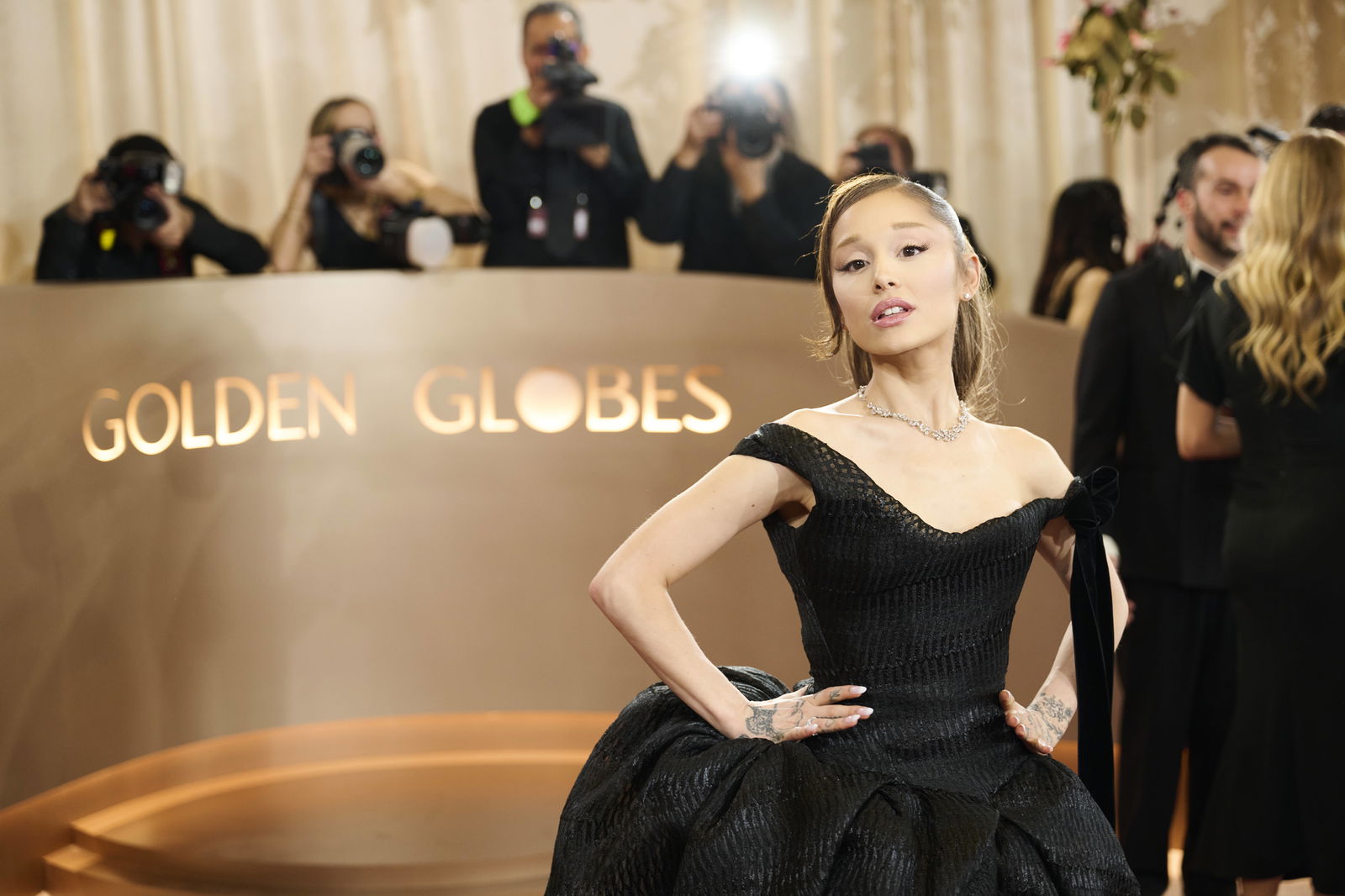
Beverly Hills USA 13th Jan 2026 Ariana Grande Attends The 83rd Beverly Hills Usa 13th Jan 2026 Ariana Grande Attends The 83rd Annual Golden Globe Awards At The Beverly Hilton On January 11 2026 In Beverly Hills California Photo C Usa Credit Sipa Usaalamy Live News 3DFT57H . Ariana Grande 2026 Tour Will Be The Last For A Long Time BBC News F3d7da30 C53a 11f0 88be . Ariana Grande Brings Back Her Power Ponytail At Golden Globes 2026 Ariana Grande Arrivals Golden Globes 2026 . Golden Globes 2026 Red Carpet Photos Of The Stars Fashion . Ariana Grande Tour 2026 Template Dates Venue Tickets SlideChef Ariana Grande Tour 2026 Details


:max_bytes(150000):strip_icc()/Ariana-Grande-Lead-540127232f914604b9581cee02f063d0.jpg)
Ariana Grande Jan 2026 Crawler. Ariana Grande Returns To 2026 Golden Globes With Must See Look Us Weekly GettyImages 2255779937 Ariana Grande 2026 Golden Globes . Ariana Grande Luce Dos De Las Grandes Tendencias De Pelo De 2026 En Los 2254113466. Ariana Grande Revives Her Iconic Ponytail At The Golden Globes 2026 Ariana Grande Lead . Golden Globes 2026 Ariana Grande Red Carpet Fashion Look 301b16e4 3952 495a A4de 1768177176


Ariana Grande Launches Presale For 2026 Eternal Sunshine Tour After 33175 051800 Ariana Grande Launches Presale For 2026 Eternal Sunshine Tour After Mtv Vma Wins Updates . How Ariana Grande Created Her Ethereal Beauty Look For The 2026 Critics. Ariana Grande Den 2026 N N Lk G Zellik D N M Vogue T Rkiye Gettyimages 2254667503 . Ariana Grande Montreal 2026 Tickets General Sale Starts Today Eternal Image . Ariana Grande Skipping 2026 Actor S Awards Insiders Reveal Why She S Ariana Grande Skipping 2026 Actors Awards Insiders Reveal Why Shes Scaled



Ariana Grande Holds Court In Vivienne Westwood At AFI Awards 2026 Ariana Grande Photosa . Sheets Note Piano Roblox Daydreamin Ariana Grande Expert Version Sheets Note Piano Roblox Daydreamin Ariana Grande Expert. Ariana Grande Takes Her Final Anti Glinda Bow In A Black 2026 Golden. La Robe D Ariana Grande Aux Golden Globes 2026 A Plus De Sens Qu Il N Y 1768230984 La Robe D39Ariana Grande Aux Golden Globes 2026 A Plus 1536x863 . Ariana Grande S Critics Choice 2026 Look Pays Homage To Glinda S Ariana Grande Critics Choice 2026 Awards 03

:max_bytes(150000):strip_icc():focal(749x0:751x2)/ariana-grande-critics-choice-awards-1-010426-d2f5abdeb668492abb842ce81eb14cde.jpg)


Ariana Grande Lascia La Musica Le Sue Sul Tour 2026 Ariana Grande . Ariana Grande Debuts Darker Hair At Critics Choice Awards 2026 Ariana Grande Critics Choice Awards 1 010426 . Ariana Grande Misses Out On Best Supporting Actress At 2026 Critics. Ariana Grande 2026 Eternal Sunshine Ariana Grande National Board Of Review Gala 2025 Billboard 1800 . Ariana Grande Eternal Sunshine Tour Setlist 2026 Ariana Grande Tour 2026 Setlist Dates Schedule Tickets 768x1024


ARIANA GRANDE In Vogue Japan March 2026 HawtCelebs Ariana Grande In Vogue Japan March 2026 4 . Roblox Infographic What Is Roblox. Ariana Grande Debuts Her Darkest Hair Yet After Rocking Her Glinda. Ariana Grande 2026 Calendar A3 Public 2078319 LASGO Hero 560x560 . Ariana Grande Roblox ID Codes 2026 Song Music IDs Catch And Tame Codes 1024x559


La Chanteuse Ariana Grande Sortira L Album Petal En Juillet 2026 Ariana Grande Petal . Ariana Grande 2026 Ticket Prices How Much Are The Eternal Sunshine Ariana Grande Ticket Prices 2026 Eternal Sunshine Tour Presale . Why Ariana Grande Is Missing The 2026 Grammys Despite Winning Award 58953855 9a19 403c 86e0 . Ariana Grande Announces 2026 The Eternal Sunshine North American Tour Ariana . Oscar 2026 Snub Ariana Grande Hit Hard As Wicked For Good Fails Her