In the fast-evolving world of Roblox game development, ensuring your creation is accessible and enjoyable across all platforms – PC, mobile, and console – is paramount. This comprehensive guide dives deep into Roblox's ContextActionService, a vital tool for handling player input dynamically and efficiently. Gone are the days of wrestling with complex input systems for each device. ContextActionService empowers developers to bind actions to various inputs seamlessly, providing a consistent and intuitive experience for every player, whether they are tapping on a touchscreen or clicking a mouse. Discover how this service automatically manages input priorities, creates on-screen buttons for mobile users, and streamlines your development workflow, ultimately saving you time and enhancing user satisfaction. Learn the tips and tricks to optimize your game's controls, avoid common pitfalls, and make your Roblox experience truly universal. This is your essential resource for mastering ContextActionService and creating the next trending Roblox game in 2026.
Related games- How Good Is Ryzen 7 5825U for Gaming A Gamer's Guide
- Roblox Down Right Now? Guide to Server Status & Fixes
- Guide To Try ID Roblox Instant Customization 2026
- Guide to Novabus Roblox: Master Your Virtual Commute
- Guide To Ken Carson Roblox ID Music How To Use It
What is the fundamental role of ContextActionService in modern Roblox development?
ContextActionService serves as the central hub for handling all player-initiated actions in a Roblox game, abstracting away the complexities of different input devices. Its fundamental role is to provide a unified, context-aware system for binding game actions (like jumping, interacting, or attacking) to various player inputs, ensuring a consistent and intuitive experience across PC, mobile, and console platforms.
How can I dynamically enable or disable actions using ContextActionService?
To dynamically enable or disable actions, you typically use ContextActionService:UnbindAction(actionName) to remove an action and ContextActionService:BindAction(...) to re-enable it. This is perfect for scenarios like a player entering a vehicle, opening a menu, or picking up a special item, where certain controls should temporarily change or be suppressed.
What does Enum.ContextActionResult.Sink do and when should I use it?
Returning Enum.ContextActionResult.Sink from your action callback function tells ContextActionService to "consume" the input, preventing it from being processed by any other actions or UI elements with lower priority. Use it when an action should be exclusive and you want to prevent unintended simultaneous triggers from other bindings or overlapping UI elements.
How do I handle continuous actions, like holding a button, with ContextActionService?
To handle continuous actions, your bound function should check the inputState parameter. When inputState == Enum.UserInputState.Begin, you start the action (e.g., begin charging a jump). When inputState == Enum.UserInputState.End, you stop or complete the action (e.g., release the charged jump). The Enum.UserInputState.Change state can also be used for actions that require continuous feedback.
Can ContextActionService help with building accessible controls for all players?
Absolutely. ContextActionService inherently supports accessibility by providing a unified input model and automatic mobile virtual buttons. This allows players using different input devices (standard or adaptive) to interact with the game in a consistent way. Clear titles and descriptions for actions further aid players with diverse needs in understanding game controls.
What is an ActionPriority and how does it influence input processing?
An ActionPriority is an integer value assigned when binding an action that determines its precedence when multiple actions are bound to the same input. Actions with higher priority values will be processed first. This is crucial for resolving input conflicts, such as ensuring a UI button click takes precedence over a background game action bound to the same input.
Are there any performance best practices for ContextActionService in complex games?
For complex games, ensure you avoid excessive binding/unbinding in rapid succession. Keep your callback functions efficient, minimizing heavy computations. Only generate mobile virtual buttons for essential actions to prevent UI clutter and minor performance impacts on lower-end devices. Clear action priority hierarchies also help maintain efficient input processing.
Hey fellow gamers and creators! Ever found yourself immersed in a fantastic Roblox experience, only to find the controls clunky or inconsistent when you switch from your PC to your phone? Or perhaps as a developer, you'sve spent countless hours trying to make your game feel just right across every device, juggling different input methods and priorities. You're not alone. In 2026, with an estimated 87% of US gamers regularly diving into virtual worlds, and many spending 10+ hours a week, seamless cross-platform play isn't just a luxury, it's an expectation. Mobile gaming, especially on platforms like Roblox, continues its dominance, emphasizing the need for adaptable and intuitive controls. Balancing work, family, and gaming means our time is precious; we want to jump in and play without friction, and developers want to build without endless debugging.
This is where Roblox's ContextActionService shines as a true game-changer. It's the unsung hero that helps busy developers like us deliver polished, responsive control schemes that work flawlessly whether a player is on a high-end gaming rig, a tablet, or a smartphone. Forget the headaches of managing individual input types; ContextActionService abstracts all that complexity, allowing you to focus on the fun part: making great games. This comprehensive guide will walk you through everything you need to know about ContextActionService, helping you optimize your game's performance, enhance player satisfaction, and keep your creations current with the latest gaming trends, all without the usual development hype.
What is Roblox's ContextActionService and why is it crucial for my game?
ContextActionService is a powerful Roblox service designed to manage player input (like key presses, mouse clicks, and touch gestures) in a contextual and cross-platform way. Instead of manually checking for specific key codes or touch events, you bind "actions" to various inputs. For instance, a "Jump" action could be bound to the Spacebar on PC, a specific button on a console controller, and a virtual button on a mobile screen. It's crucial because it drastically simplifies development for modern Roblox games. With US gamers averaging around 36 years old and often balancing gaming with busy lives, they expect games to just work, regardless of how they play. This service delivers that consistency, saving developers time and reducing setup issues for players.
Before ContextActionService, developers often had to write extensive conditional logic to detect input based on the player's device, leading to verbose and error-prone code. Now, you define the action and the associated inputs, and the service handles the rest, including creating on-screen mobile buttons automatically if no physical input is detected. This means less debugging for you and a smoother, more enjoyable experience for players across PC, mobile, and console – a must-have in today's multi-device gaming landscape where social gaming often involves friends playing on different hardware.
How does ContextActionService simplify input handling across devices?
ContextActionService streamlines input handling by abstracting the actual input device. Instead of differentiating between a keyboard 'W' key, a gamepad's left stick forward, or a mobile joystick, you define a single "MoveForward" action. The service then allows you to associate multiple inputs with that one action. This "bind-by-action" approach is incredibly efficient. When a player performs any of the bound inputs, the associated action callback function is triggered, providing a unified response regardless of the originating device.
A key simplification is its automatic handling of mobile virtual buttons. If you bind an action (like "Jump") and the player is on a touchscreen device, ContextActionService can automatically generate a visible, tappable button on the UI for that action. This feature alone drastically cuts down on UI development time for mobile compatibility, a huge win given mobile's significant share of the gaming market. It also intelligently manages input priorities, ensuring that, for example, a UI button takes precedence over a background game action if both are bound to the same input, preventing frustrating misclicks and enhancing overall usability.
When should I use ContextActionService instead of UserInputService?
While UserInputService provides raw input detection (e.g., "was 'A' pressed?"), ContextActionService is generally preferred for player-initiated actions within your game's context. Think of it this way: UserInputService is for detecting any input, anywhere, anytime. ContextActionService is for when an input should trigger a specific action within your game, and you want that action to behave consistently across different input types and devices.
You should lean on ContextActionService for:
- Core player controls (movement, jumping, attacking, interacting).
- Actions that need mobile virtual buttons.
- Situations where inputs need to be prioritized or overridden (e.g., opening a menu should disable character movement).
- Creating game systems that are inherently cross-platform without device-specific code branches.
What are the key functions and parameters of ContextActionService?
The primary functions you'll interact with are BindAction, UnbindAction, SetTitle, SetDescription, and SetPosition (for mobile buttons).
BindAction(actionName, functionToBind, createTouchButton, inputTypes...): This is where the magic happens.actionName: A unique string identifier for your action (e.g., "JumpAction").functionToBind: The Lua function that will be called when the action is triggered. This function receives theactionName, theinputState(Begin, Change, End), and theinputObject(details about the actual input).createTouchButton: A boolean. Iftrue, ContextActionService will create a virtual button for mobile players if the action isn't triggered by physical input (like a gamepad).inputTypes...: A variable number ofEnum.KeyCodeorEnum.UserInputTypevalues that will trigger this action.
UnbindAction(actionName): Removes a previously bound action. Crucial for managing UI states or temporary abilities.SetTitle(actionName, title): Sets the text displayed on the mobile virtual button for that action.SetDescription(actionName, description): Sets a tooltip-like description for the action, often useful for accessibility or in-game help menus.SetPosition(actionName, UDim2_position): Allows you to manually position the mobile virtual button for a specific action, giving you more control over your mobile UI layout.
How do I bind actions to ContextActionService in Roblox Studio?
Binding an action is straightforward. You typically place this code in a LocalScript, as input is client-side. Here’s a basic example of binding a "Jump" action:
local ContextActionService = game:GetService("ContextActionService")local Players = game:GetService("Players")local LocalPlayer = Players:GetPlayerFromCharacter(script.Parent)-- Define the action namelocal JUMP_ACTION = "JumpAction"-- Define the function to be called when the action is triggeredlocal function handleJumpAction(actionName, inputState, inputObject) if inputState == Enum.UserInputState.Begin then print(actionName .. " started!") -- Your jump logic here if LocalPlayer.Character and LocalPlayer.Character:FindFirstChildOfClass("Humanoid") then LocalPlayer.Character.Humanoid:ChangeState(Enum.HumanoidStateType.Jumping) end elseif inputState == Enum.UserInputState.End then print(actionName .. " ended!") end return Enum.ContextActionResult.Pass -- Or .Sink if you want to consume the inputend-- Bind the action-- Arguments: actionName, functionToBind, createTouchButton, inputTypes...ContextActionService:BindAction( JUMP_ACTION, handleJumpAction, true, -- Create a touch button for mobile Enum.KeyCode.Space, -- PC input Enum.UserInputType.Gamepad1ButtonA -- Example Gamepad input (Xbox 'A' button))-- Optionally, set a title for the touch buttonContextActionService:SetTitle(JUMP_ACTION, "Jump")-- Optionally, set its position-- ContextActionService:SetPosition(JUMP_ACTION, UDim2.new(0.8, 0, 0.7, 0))This snippet demonstrates how to link the JUMP_ACTION to the handleJumpAction function, make it generate a mobile button, and specify multiple inputs that can trigger it. Remember to return either Enum.ContextActionResult.Pass to let other bindings process the input, or Enum.ContextActionResult.Sink to consume it and prevent further processing. This level of control is perfect for optimizing performance and avoiding unintended input conflicts, especially in complex games with many interactive elements.
Can ContextActionService manage both UI and game actions effectively?
Absolutely, and this is one of its core strengths. ContextActionService is designed to handle both game-specific actions (like character movement, attacking, or interacting with objects) and UI-related actions (such as opening inventories, pausing the game, or activating abilities from a hotbar). The key to managing both effectively lies in understanding input priority and how to dynamically bind and unbind actions.
For instance, when a player opens an inventory UI, you might want to temporarily unbind character movement actions or bind new actions specific to the UI (e.g., 'E' to close the inventory). When the UI closes, you re-bind the game actions. ContextActionService automatically handles input priority conflicts through its actionPriority parameter in BindAction and by detecting which UI elements are currently active. This ensures that a button click on a UI element doesn't accidentally trigger a game action that uses the same input, providing a seamless and frustration-free experience for players navigating both your game world and its interface. This is crucial for games that offer deep customization or complex menus, appealing to the segment of gamers who enjoy skill-building and optimizing their playstyle.
What common pitfalls should I avoid when implementing ContextActionService?
While powerful, ContextActionService has a few common gotchas:
- Forgetting to
UnbindAction: If you bind actions dynamically (e.g., when a tool is equipped or a menu opens), always remember to unbind them when they are no longer needed. Leaving actions bound can lead to unexpected behavior, input conflicts, or memory leaks. - Incorrect
inputStatehandling: Many developers only check forEnum.UserInputState.Begin. Remember that actions also haveChangeandEndstates, which are vital for actions that require holding down a button or tracking continuous input. - Mismanaging
actionPriority: If two actions are bound to the same input, the one with higher priority will take precedence. If you're encountering unintended action triggers, check your priorities. Default isEnum.ContextActionPriority.Default.Value. - Ignoring
createTouchButton: Forgetting to setcreateTouchButtontotruemeans mobile players won't get an automatic on-screen button, severely impacting their experience. Always test on mobile devices! - Returning
Enum.ContextActionResult.Passvs..Sinkincorrectly:Passlets other actions or UI elements process the input;Sinkstops it. UsingPasswhen you meantSinkcan cause unintended multiple triggers. Generally, for exclusive game actions,Sinkis often preferred.
How can ContextActionService enhance the player experience in my game?
ContextActionService significantly enhances the player experience by providing adaptive, consistent, and intuitive controls across all platforms. For a gamer who values relaxation and fun, or who balances gaming with a busy life, the last thing they want is to struggle with controls. This service ensures:
- Consistency: The "Jump" action works the same way whether on PC, mobile, or console, reducing frustration and learning curves.
- Accessibility: Automatic virtual buttons for mobile make games instantly playable on touchscreens without extra developer effort, broadening your game's audience to the massive mobile market.
- Fluidity: Intelligent input priority management prevents conflicts, leading to smoother gameplay and UI interactions. No more accidentally jumping while trying to click a menu button.
- Customization Potential: While not a direct feature, the abstract action binding makes it easier for developers to implement player-rebindable controls, a highly valued feature for many dedicated gamers who want to optimize their setup.
Are there performance considerations when using ContextActionService?
While ContextActionService is generally performant and optimized by Roblox, a few considerations can help you maintain peak performance, especially in action-packed or graphically intensive games.
- Avoid excessive binding/unbinding: Continuously binding and unbinding actions in a high-frequency loop can introduce overhead. Bind actions once and use
UnbindActionsparingly, typically for specific game states (e.g., tool equipped/unequipped, menu open/closed). - Efficient callback functions: Ensure the functions you bind to actions are efficient. Avoid heavy computations, complex raycasts, or excessive instance creation directly within the input callback. If complex logic is needed, debounce it or defer it to a separate update loop.
- Manage
createTouchButtonwisely: While helpful, generating many touch buttons for every single action can clutter the UI and potentially impact performance on lower-end mobile devices. Only create buttons for essential actions that genuinely need a mobile interface. - Prioritize effectively: While priority helps prevent input conflicts, having too many actions with overlapping inputs and complex priority structures might add a tiny bit of overhead as the service evaluates which action takes precedence. Keep your priority hierarchy clear and as simple as possible.
How does ContextActionService support mobile and accessibility features?
ContextActionService is a cornerstone for modern mobile game development on Roblox and inherently supports several accessibility features.
- Automatic Mobile Buttons: The
createTouchButtonparameter is a powerful feature that automatically generates context-sensitive virtual buttons for touch devices. This means developers don't have to manually design and code mobile UI buttons for every action, saving immense time and ensuring out-of-the-box mobile compatibility. This is vital as mobile gaming continues its growth, capturing a significant portion of daily active users. - Customizable Button Positioning: Using
SetPosition, developers can precisely control where these virtual buttons appear on the screen, allowing for ergonomic layouts tailored to different screen sizes and player preferences. This directly contributes to a better user experience for mobile players. - Unified Input Model: By abstracting away the underlying input device, ContextActionService makes it easier to support alternative input methods. For example, if a player uses an adaptive controller or a custom input device that maps to standard key codes or gamepad inputs, ContextActionService will process these just like any other input, without requiring special code. This enhances accessibility for players with diverse needs.
- Descriptive Titles and Descriptions: The
SetTitleandSetDescriptionfunctions allow developers to provide clear, concise labels and tooltips for actions. This can be invaluable for players learning the game, those with cognitive disabilities, or even for screen readers (though full screen reader support requires additional UI setup).
So there you have it – ContextActionService isn't just another Roblox API; it's a fundamental shift in how we approach input management, especially in an era dominated by cross-platform play and diverse player hardware. For the busy gamer who wants seamless experiences and the developer striving for efficient, high-quality output, mastering this service is invaluable. By embracing ContextActionService, you're not just writing cleaner code; you're actively enhancing player satisfaction, reducing technical debt, and future-proofing your game for the ever-evolving Roblox ecosystem. It’s about making your game just work, allowing players to relax, have fun, and engage with your world without technical hurdles.
From simplifying mobile controls to intelligently managing input priorities, ContextActionService empowers you to build robust, user-friendly games that stand out. So go forth, experiment, and integrate this powerful tool into your next Roblox masterpiece. What's your biggest gaming challenge, or a cool ContextActionService trick you've discovered? Comment below and let's share our insights!
FAQ: ContextActionService Quick Answers
Q: What is the main benefit of ContextActionService for developers?
A: The main benefit is streamlined, cross-platform input handling. It allows developers to define actions once and bind them to multiple input types (keyboard, mouse, touch, gamepad), automatically managing mobile buttons and input priorities.
Q: Does ContextActionService automatically create mobile buttons?
A: Yes, if you set the createTouchButton parameter to true when binding an action, ContextActionService will automatically generate a virtual button on the screen for mobile players, greatly simplifying mobile UI development.
Q: Can I change the text on a ContextActionService mobile button?
A: Yes, you can use the ContextActionService:SetTitle(actionName, titleString) function to set the text that appears on the virtual button for a specific action.
Q: How do I remove an action binding?
A: You use the ContextActionService:UnbindAction(actionName) function. This is crucial for cleaning up actions when they are no longer relevant, such as when a player unequips a tool or closes a menu.
Q: What is the inputState parameter in the bound function?
A: The inputState parameter (an Enum.UserInputState value) tells you whether the input was just pressed (Begin), is being held down (Change), or was just released (End). This is vital for implementing actions that require different responses based on input duration.
Q: Is ContextActionService good for optimizing game performance?
A: Yes, by centralizing and optimizing input processing, ContextActionService helps create more efficient codebases. It reduces the need for constant input polling and complex conditional logic, contributing to smoother game performance and better frame rates.
ContextActionService simplifies cross-platform input management in Roblox. It automatically handles input priorities, creates mobile on-screen buttons, and allows developers to bind actions to diverse inputs like keyboard, mouse, and touch. Essential for consistent player experience and efficient game development across PC, mobile, and console. Optimizes controls, reduces development time, and enhances game accessibility.
35


Context Action Utility Creations Feedback Developer Forum Roblox . Positioning Mobile Buttons Scripting Support . Roblox All You Need To Know YouTube . More Options For Buttons Mobile . Help With Scripting Support Developer Forum
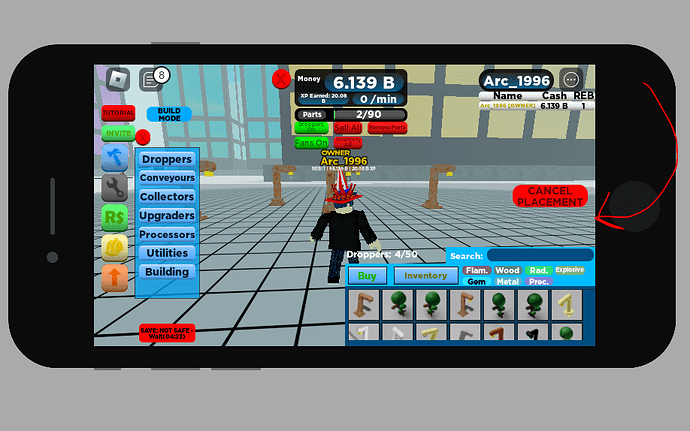
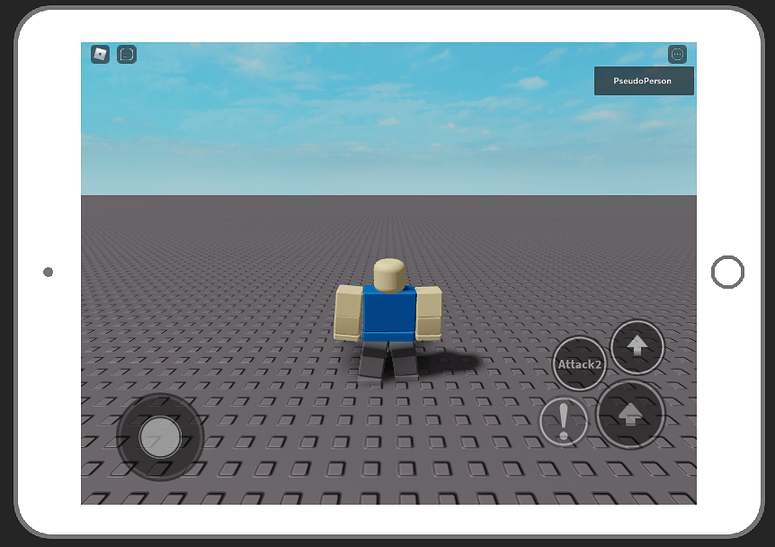

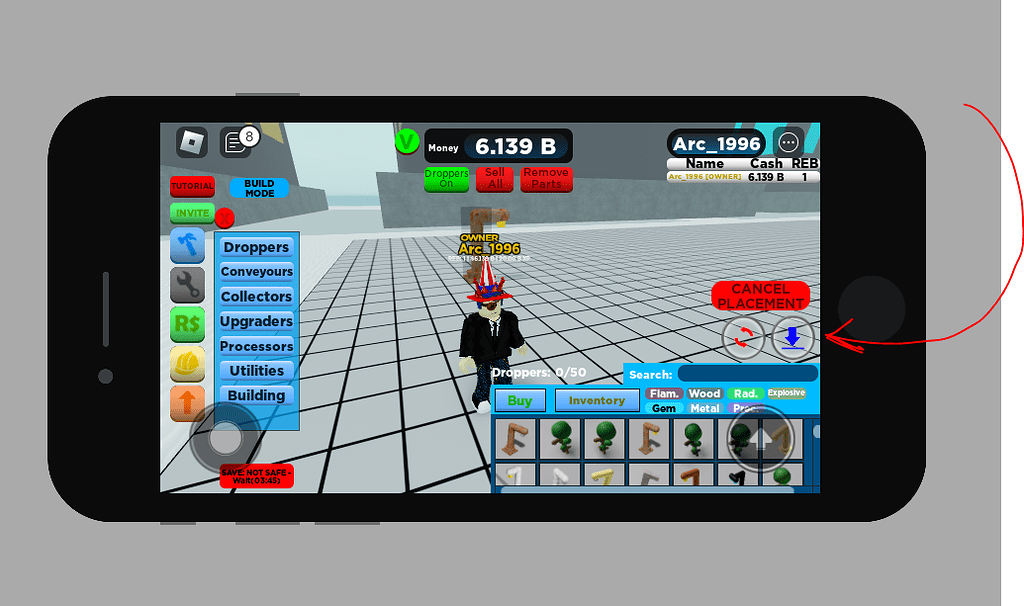
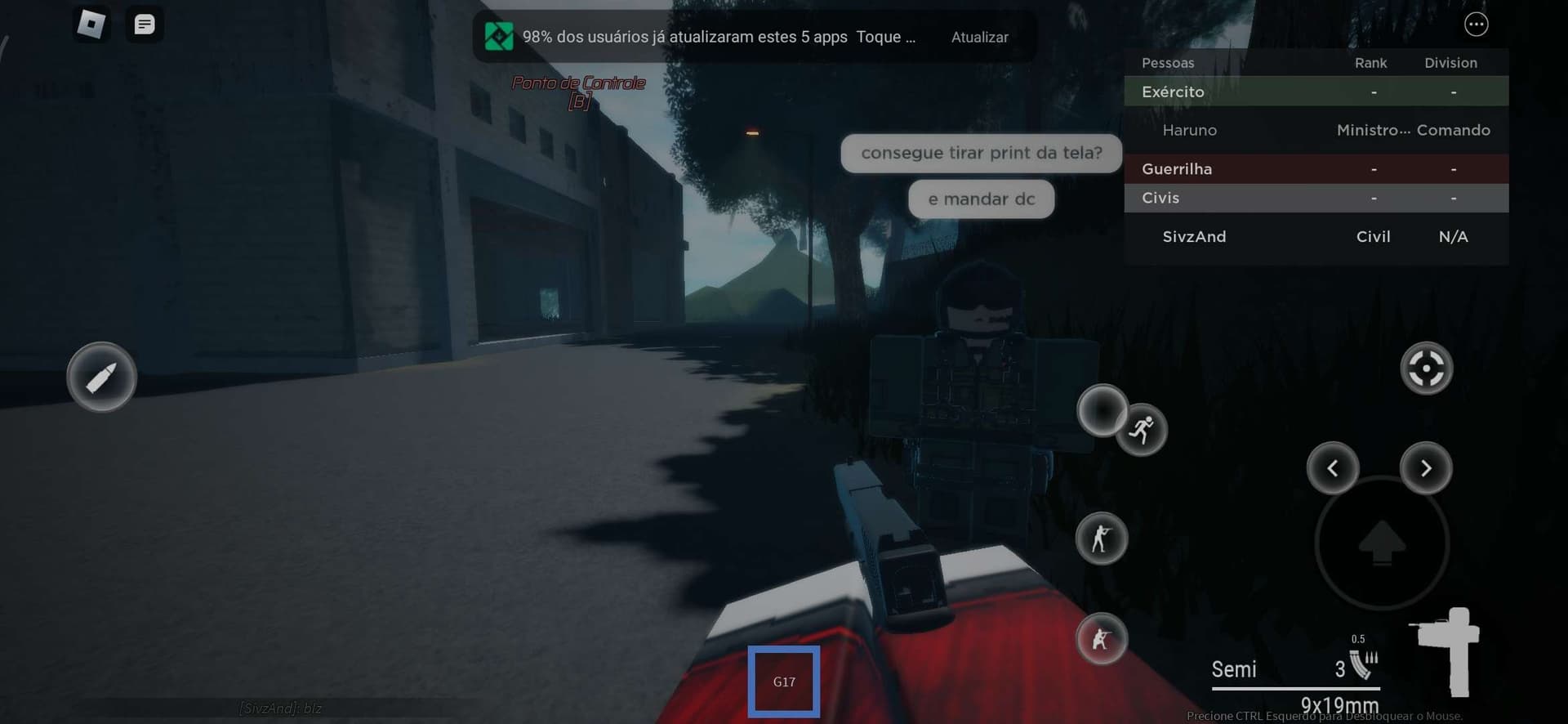
Context Action Service Not Creating Buttons Scripting Support 2 690x431 . Context Action Utility Creations Feedback Developer Forum Roblox 2 775x547 . Context Action Service Not Printing The KeyCode Scripting Support 2 690x387 . Context Action Service Not Creating Buttons Scripting Support 2 1024x606 . Button Doesn T Work But The Others Do Scripting

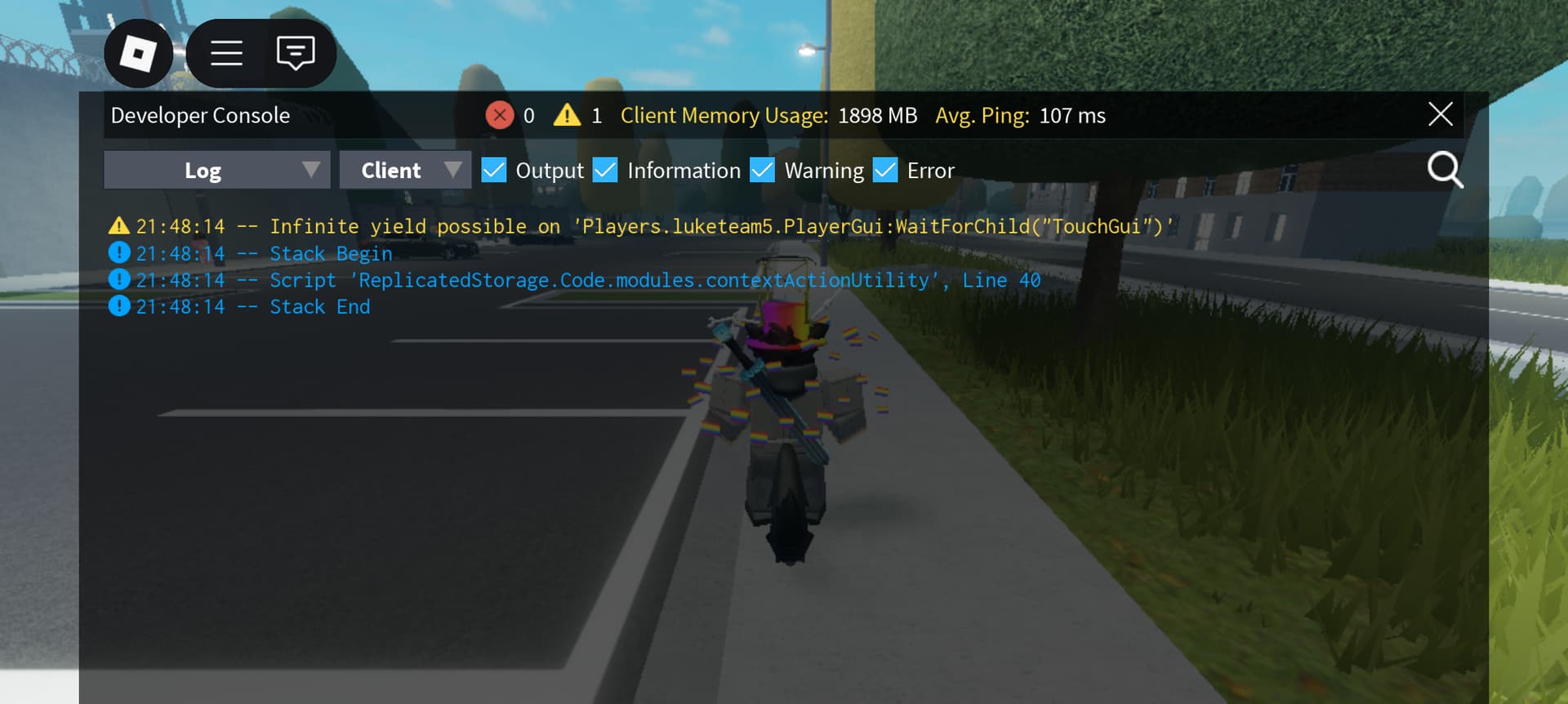


How Do I Stop Context Action Service From Doing Buttons Like This . Infinite Yield On Engine Bugs Developer Forum . Developer Forum . Needing Help With SetPosition Scripting . Context Action Service Not Printing The KeyCode Scripting Support
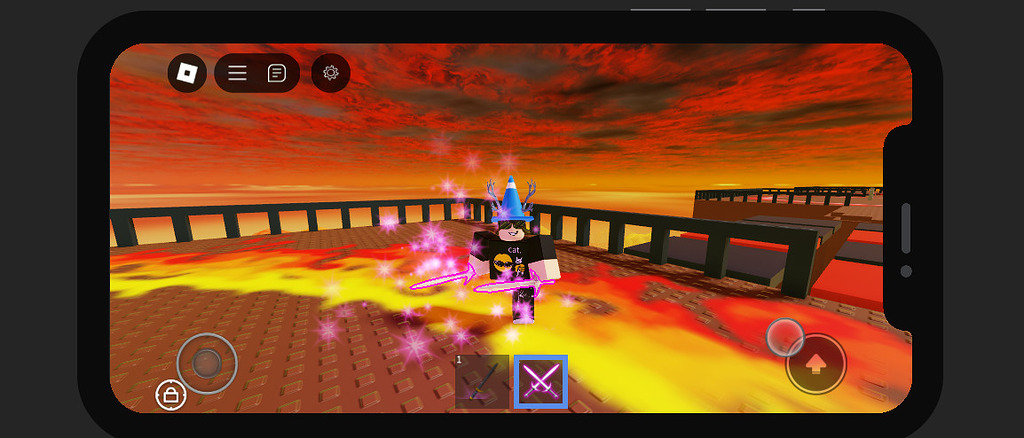


How Do I Stop Context Action Service From Doing Buttons Like This 2 1024x438 . How To Make Mobile Button Fit On Other Devices . Getting The Direction Of The Gamepad Thumbstick Using Context Action . Context Action Service Questions Scripting Support Developer Forum 2 690x181 . Looking For An Answer Regarding Scripting





Context Action Service Not Creating Buttons Scripting Support . Mobile Button Context Action Service Scripting Support Developer . Context Action Service Scripting Support Developer Forum Roblox . Easy Mobile Buttons Community Resources . Context Action Utility Creations Feedback Developer Forum Roblox




Context Action Service Not Printing The KeyCode Scripting Support . Mobile Issue Scripting Support Developer Forum 2 690x492 . Needing Help With SetPosition Scripting . More Options For Buttons Mobile . Roblox GameDev Academy Aa Roblox Context Action Service Tutorial Complete Guide 300x300


Context Action Service Questions Scripting Support Developer Forum 2 1035x271 . Context Action Service Not Creating Buttons Scripting Support . Or Gui Buttons For Mobile Support Scripting . Mobile Button Context Action Service Scripting Support Developer . Buttons Not Appearing On IPad Device Scripting