Unlock the full potential of your gaming setup by mastering how to connect your XP Series gaming chair efficiently. Many US gamers, averaging around 36 years old and often balancing careers and family, seek seamless experiences that enhance relaxation and performance without adding stress. This comprehensive guide addresses common setup headaches, ensuring your chair's features, from power to audio, are perfectly integrated. We dive into step-by-step instructions, troubleshooting tips, and best practices to optimize your gaming comfort and immersion. Learn how to avoid performance problems and maximize your chair's value, making those precious 10+ hours a week of gaming truly count. Whether you're a casual player or competitive, a properly connected XP Series chair elevates your play, fosters social connections, and provides much-needed stress relief. Stay current with tech trends and ensure your investment delivers peak enjoyment for every session, from mobile cross-play to console and PC. Get ready to game smarter, not harder.
Related games- How to Play Roblox Safely A Comprehensive Guide
- Guide to Azyria Roblox: Maximize Your Fun Today
- Guide to GTA Vice City Cheat Codes for PC
- How To Get Gaming License Your 2026 Guide For Gamers
- Guide How To Make A Roblox Group On Mobile Fast
How do I connect the power to my XP Series gaming chair?
Connecting power to your XP Series gaming chair is the first essential step. Locate the chair's power input port, typically found on the underside or backrest. Plug the provided power adapter into this port, ensuring a snug fit. Then, connect the other end of the power adapter to a wall outlet or a surge protector. Always use the original power adapter that came with your chair to ensure compatibility and prevent damage. Confirm that any power switches on the chair itself are in the 'On' position for immediate power delivery.
What are the audio connection options for an XP Series gaming chair?
XP Series gaming chairs generally offer several audio connection options to suit various setups. The most common is the 3.5mm auxiliary (AUX) jack, which can connect to PC sound cards, TV headphone outputs, or console controllers. Some models may also include RCA stereo inputs (red and white cables) for older audio equipment or specific home theater systems. More advanced XP Series chairs might feature USB audio for direct digital connection to PCs or consoles, or even optical audio (TOSLINK) for high-fidelity sound. Always check your specific chair model's manual to identify all available audio inputs and select the best one for your gaming system.
Can I connect my XP Series chair to both my PC and console at the same time?
Connecting your XP Series gaming chair to both your PC and console simultaneously can be done with careful setup, though it often requires external audio mixers or manual switching. Most chairs have only one primary audio input active at a time. To achieve simultaneous connection, you could route both your PC and console audio into an external audio mixer, and then connect the mixer's output to your chair's audio input. Alternatively, you might use a 3.5mm audio switch box to toggle between your PC and console audio feeds connected to the chair. Without an external device, you'll typically need to physically swap cables or adjust audio output settings on your devices when switching between PC and console gaming.
How do I get haptic feedback working on my XP Series gaming chair?
To get haptic feedback working on your XP Series gaming chair, ensure it's properly powered and receiving a strong audio signal. Haptic feedback, or vibration, is usually driven by the chair's audio input, responding to low-frequency sounds (bass). First, make sure your audio source (PC, console, TV) volume is sufficiently high. Many XP Series chairs have a dedicated haptic control knob or button, often labeled 'Vibration' or 'Bass Intensity,' which you'll need to turn up. If your chair uses USB for PC, check for specific drivers or software from the manufacturer that might control haptic settings. Ensure all audio cables are securely connected, as a loose connection can interrupt the signal required for vibrations.
What if my XP Series chair's sound is distorted or too quiet?
If your XP Series chair's sound is distorted or too quiet, several factors could be at play. First, check all cable connections; a loose or damaged audio cable can cause distortion. Ensure the volume levels on both your audio source (PC, console, TV) and the chair itself are appropriately adjusted; high volumes from the source coupled with high chair volume can lead to distortion. If using a 3.5mm connection, try another cable. For PC users, update your audio drivers or try plugging into a different audio port. Ensure your audio source is not set to a very low output impedance if your chair prefers a higher one. External interference from other electronics can also cause distortion, so try moving other devices away from audio cables if possible.
My XP Series chair connects to a TV headphone jack but has low volume. Why?
When connecting your XP Series chair to a TV's headphone jack and experiencing low volume, it's often due to the TV's internal audio limitations. Headphone jacks are designed for personal listening and may not provide a strong enough signal to drive your gaming chair's speakers or haptic systems effectively. Many TVs have independent volume controls for their headphone output that might be set low. Check your TV's audio settings menu for a 'Headphone Volume' or 'Audio Output Level' option and increase it. Additionally, ensure your chair's volume control is maxed out. If the issue persists, an external audio amplifier or an HDMI audio extractor, which provides a stronger line-level output, might be necessary for optimal sound from your XP Series chair.
What are the steps to disconnect my XP Series gaming chair safely?
To safely disconnect your XP Series gaming chair, always start by turning off the chair and any connected audio sources. First, power down the chair using its main power switch, if available. Then, gently unplug the main power adapter from both the wall outlet (or surge protector) and the chair's power input port. Next, carefully disconnect all audio cables (3.5mm, RCA, USB, optical) from both your chair and your gaming system (PC, console, TV). Avoid pulling cables by the wire; always grasp the plug end. Proper disconnection prevents damage to the chair's ports, the cables themselves, and safeguards your connected devices from potential electrical surges or static discharges. Following these steps ensures your chair remains in excellent condition for its next use.
Hey fellow gamers! Ever unbox a shiny new piece of gear, only to stare at a tangle of wires and an instruction manual written in another dimension? If you just got an XP Series gaming chair, you know that rush of excitement mixed with a tiny bit of dread about the setup. For many of us, gaming isn't just a hobby; it's a vital escape, a way to unwind after a long day, build skills, or connect with friends across the globe. With 87% of US gamers regularly diving into virtual worlds for an average of 10 or more hours a week, we need our gear to work seamlessly so we can maximize that precious gaming time.
We understand that balancing work, family, and gaming means efficiency is key. You want to get your XP Series chair connected and ready to go without a fuss, ensuring peak comfort and immersion. Forget complicated instructions and vague diagrams. This comprehensive guide is designed to cut through the noise, offering clear, actionable steps on how to connect your XP Series gaming chair, troubleshoot common issues, and optimize its features. We'll cover everything from power to audio, ensuring your chair is a true extension of your gaming experience. Let's get that chair powered up and ready to enhance your gameplay, so you can focus on those epic wins, not frustrating setups.
What are the first steps to connecting my XP Series gaming chair?
Getting started with your XP Series gaming chair is usually straightforward, focusing on power and core connections. Your primary goal is to provide power to the chair and establish essential audio links. Before you even think about plugging anything in, make sure you have unboxed everything, identified all cables, and placed your chair in its desired gaming spot. A clear workspace prevents misplaced items and simplifies the process significantly.
The very first step is to locate the main power adapter. This will typically connect from an outlet to a dedicated power port on your chair, often found on the underside or back. Ensure it's firmly plugged into both the chair and a wall socket or surge protector. Next, identify the main audio input cable from your chair, which is usually a 3.5mm auxiliary jack or RCA cables, depending on your model. This cable will be your primary link for game audio or haptic feedback.
How do I connect the XP Series chair for console gaming on PS5 or Xbox Series X?
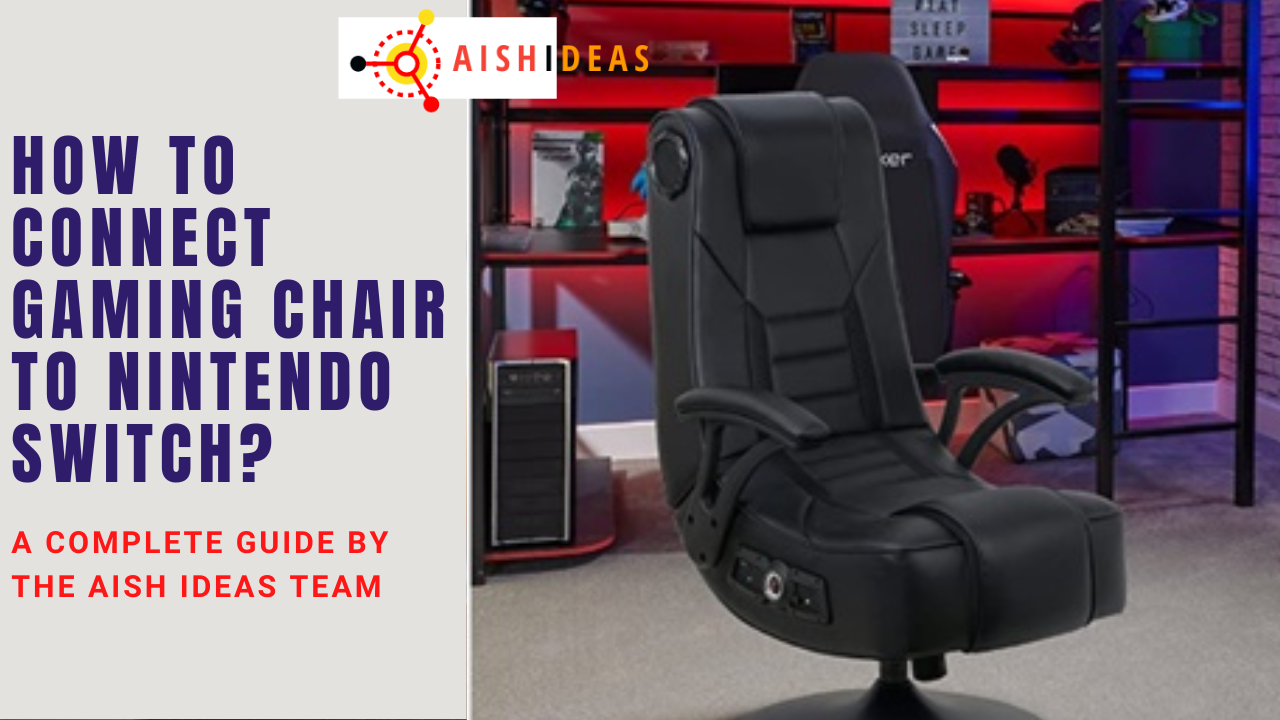
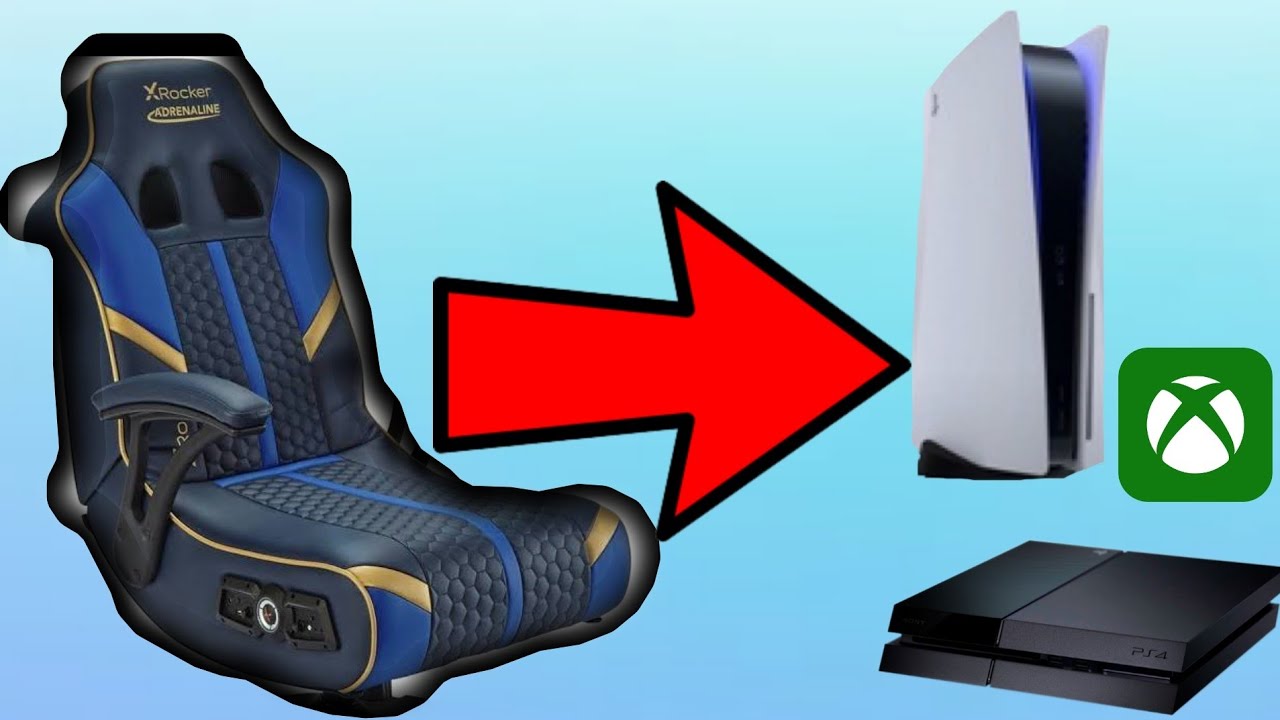
Connecting your XP Series gaming chair to modern consoles like the PS5 or Xbox Series X requires a bit of smart routing, as consoles often lack direct analog audio outputs. The most common method involves connecting through your TV or monitor, or for more advanced setups, through a dedicated audio receiver or HDMI audio extractor.
- Option 1: Through Your TV/Monitor: Many gamers find this the easiest. Connect your chair's 3.5mm audio cable to the headphone jack on your TV or monitor. If your chair uses RCA cables, you might need an RCA to 3.5mm adapter, or connect directly if your TV has RCA audio output ports. Ensure your TV's audio output settings are configured to send sound to the headphone jack.
- Option 2: HDMI Audio Extractor: For optimal audio quality or if your TV lacks suitable outputs, an HDMI audio extractor is a great investment. This device splits the audio signal from your console's HDMI cable, allowing you to connect your chair's audio input while the video goes to your screen. This is a popular option for streamers or those who prioritize audio fidelity.
- Option 3: Optical Audio (if available): Some XP Series chairs and older console setups might use optical (TOSLINK) audio. If your console or TV has an optical output and your chair has an optical input, you can use an optical cable for a high-quality digital connection.
Always verify your console's audio settings to ensure output is correctly routed to your chosen method, whether it's the TV's headphone jack or an external extractor. Adjusting these settings prevents sound from playing only through your TV speakers or not at all.
What's the best way to connect the XP Series gaming chair to a PC setup?
Connecting your XP Series gaming chair to a PC is generally more straightforward than consoles, as PCs offer a variety of direct audio outputs. The goal is to get your chair's audio and any haptic feedback features working in sync with your desktop or laptop gaming experience.
Most XP Series chairs use a standard 3.5mm audio jack for connection. Simply plug this cable into your PC's green audio output port (often marked with a headphone icon) on the back of your desktop or on the side of your laptop. If your chair supports USB audio, plug the USB cable into any available USB port on your PC. This often provides both power and audio digitally, simplifying cable management and potentially offering better sound quality.
For advanced setups, especially those with dedicated sound cards or external DACs (Digital-to-Analog Converters), you can route your chair's audio through these devices for superior sound. Remember to check your PC's sound settings (right-click the speaker icon in your taskbar, then select Sound Settings) to ensure the correct output device is selected for your chair. This ensures that game audio, Discord chats, and background music all play through your XP Series chair's integrated speakers or haptic systems.
How do I troubleshoot common XP Series gaming chair connection issues?
Even with clear instructions, sometimes things don't go perfectly. Connectivity issues can be frustrating, especially when you're eager to jump into a new game. This month, many gamers are reporting minor glitches with peripheral detection. Here's a quick troubleshooting checklist to get your XP Series chair back online:
- No Power? Check all power connections. Is the adapter firmly plugged into the chair and a working wall outlet/surge protector? Try a different outlet. Inspect the power cable for any visible damage.
- No Audio? This is often a settings issue. For consoles, verify your TV or console's audio output settings. For PC, check your Windows Sound Settings to ensure the correct output device (e.g., your TV, monitor, or specific audio output if using an extractor) is selected. Ensure your chair's volume is turned up and not muted. Test the audio cable with another device if possible to rule out a faulty cable.
- Haptic Feedback Not Working? Some chairs require a strong audio signal to activate haptic features. Ensure your audio source's volume is sufficiently high. Check if there's a separate haptic control on your chair that might be turned down or off. Verify specific software or driver installations if your chair model requires them for haptic functionality on PC.
- Intermittent Connection? Loose cables are a common culprit. Gently wiggle all connections (power, audio, USB) to ensure they are secure. Avoid placing heavy objects on cables or allowing them to be sharply bent, as this can cause internal damage.
- Consult the Manual: Seriously, don't forget the manual! While this guide covers general steps, your specific XP Series model might have unique connection points or troubleshooting steps. It's always a good backup.
Remember, patience is key. Most issues are minor and easily resolved by re-checking connections and settings.
Can I connect my XP Series gaming chair wirelessly?
While many XP Series gaming chairs primarily rely on wired connections for power and robust audio, some premium models do offer wireless capabilities for audio. If your XP Series chair is advertised with wireless features, it will typically come with a dedicated wireless transmitter.
To connect wirelessly, you'll generally plug the transmitter into your console (via optical or 3.5mm audio out) or PC (via USB or 3.5mm). The transmitter then sends audio wirelessly to your chair. Ensure both the transmitter and your chair are powered on and paired according to the manufacturer's instructions, often involving holding a 'pair' button on both devices until an indicator light confirms connection. Wireless connections offer greater freedom of movement, which is excellent for those who like to shift positions or have a cleaner setup. However, always remember to keep your chair charged if it relies on an internal battery for wireless operation.
How do I optimize cable management for a clean XP Series chair setup?
Cable management is crucial for both aesthetics and safety, especially for gamers who spend a lot of time in their setup. A tidy workspace can reduce stress and prevent accidental disconnections. Here's how to keep your XP Series chair cables in check:
- Zip Ties and Velcro Straps: These are your best friends. Bundle excess cable length and secure cables along the chair's frame or desk legs. Velcro straps are reusable and great for temporary adjustments.
- Cable Sleeves: For multiple cables running together (like power and audio), a braided cable sleeve can consolidate them into a single, neat bundle, protecting them and making your setup look much cleaner.
- Adhesive Cable Clips: Use these to route cables along the underside of your desk or chair legs, keeping them out of sight and preventing them from getting tangled with your feet or chair wheels.
- Measure Twice, Cut Once (Figuratively): Avoid having excessively long cables if shorter ones would suffice. While you don't 'cut' the cables, consider replacing overly long ones with appropriately sized alternatives if possible.
- Power Strip Placement: Position your power strip strategically, perhaps mounted under your desk, to minimize visible wires running to outlets.
A clean setup improves your overall gaming experience, making it easier to maintain focus and reducing potential hazards.
What accessories can enhance my XP Series gaming chair connection?
Beyond the basic connections, several accessories can significantly enhance your XP Series gaming chair experience, making your setup more robust and enjoyable:
- HDMI Audio Extractor: As mentioned, invaluable for console gamers needing a reliable audio output for their chair without relying on TV headphone jacks.
- High-Quality Audio Cables: Upgrading from basic bundled cables to shielded, durable 3.5mm or RCA cables can reduce interference and improve sound quality.
- Surge Protector with USB Ports: Protects your equipment from power spikes and provides convenient USB charging points for wireless chair components or other accessories.
- Cable Management Kits: Comprehensive kits often include various clips, ties, and sleeves to help achieve a super clean setup.
- Bluetooth Transmitter/Receiver: If your chair isn't natively wireless but you want to eliminate an audio cable, a quality Bluetooth transmitter (connected to your audio source) and receiver (connected to your chair's aux input) can offer a wireless solution, albeit with potential latency.
Investing in a few smart accessories can transform a good gaming chair setup into a great one, aligning with the trend of optimizing every aspect of the gaming environment for comfort and performance.
Are there specific driver or software requirements for XP Series chair connections?
For most XP Series gaming chairs, especially those relying on analog audio (3.5mm or RCA), no specific drivers or software are required. These chairs typically function as plug-and-play audio devices, taking their input directly from your console, TV, or PC's sound card.
However, if your XP Series chair features advanced functionalities like USB audio, specific RGB lighting controls, or advanced haptic feedback customization on PC, it might come with dedicated software or require drivers. These would typically be found on the manufacturer's website. Always check the product page or manual for your specific model. Installing manufacturer-provided software can unlock additional features and ensure optimal performance, particularly for PC gamers who value customization and fine-tuning their peripherals. This is especially true as gaming tech evolves rapidly, with more devices offering deeper integration.
FAQ Section
How often should I check my XP Series chair connections?
It's a good practice to check all physical connections (power, audio, USB) every few months, especially if you frequently move your chair or clean your gaming area. Loose connections can degrade performance or cause intermittent issues over time.
Can I use a splitter to connect my XP Series chair and a headset simultaneously?
Yes, you can use a 3.5mm audio splitter (Y-cable) to connect both your XP Series chair and a gaming headset to a single audio output. Be aware that this might reduce the volume or audio quality slightly for both devices, as the signal is divided. Adjusting volume levels on both your source and devices will be key.
What if my XP Series chair has no sound but the power light is on?
If your chair has power but no sound, first verify the audio source (console, PC, TV) settings, ensuring the correct output is selected and not muted. Next, check the chair's volume control and ensure the audio cable is securely connected at both ends. Test the audio cable with another device if possible.
Is it safe to leave my XP Series chair plugged in overnight?
Generally, it's safe to leave your XP Series chair plugged in overnight if it's connected to a quality surge protector. Most modern electronics are designed to manage power efficiently. However, if your chair has an internal battery for wireless features, consider unplugging it once fully charged to extend battery life, or follow manufacturer guidelines.
My XP Series chair has multiple audio inputs. Which one should I use?
If your XP Series chair offers multiple audio inputs (e.g., 3.5mm, RCA, Optical, USB), choose the one that provides the best compatibility and quality with your gaming setup. USB or Optical often provide superior digital audio for PC/console, while 3.5mm is a versatile analog option. Consult your chair's manual for recommended input priorities.
Will connecting my XP Series chair improve my gaming performance?
While connecting your XP Series chair won't directly improve your in-game aim or reflexes, it significantly enhances comfort and immersion. Haptic feedback can provide a more tactile experience, drawing you deeper into the game, which can indirectly lead to better focus and longer, more enjoyable gaming sessions. Comfort is key to sustained performance.
Getting your XP Series gaming chair properly connected is a small investment in time that pays off big in comfort, immersion, and overall gaming enjoyment. In today's fast-paced world, where gamers are balancing so much, every moment spent in our virtual worlds should be as seamless and stress-free as possible. By following these steps and troubleshooting tips, you're not just connecting a chair; you're enhancing your entire gaming ecosystem, ensuring those hard-earned gaming hours are truly yours to relax, build skills, and connect with friends.
What's your biggest gaming challenge when setting up new gear? Comment below! Let's help each other out and keep our setups running perfectly.
Easy XP Series chair setup guide, Connect gaming chair power and audio, Troubleshooting XP chair connection issues, Optimize XP Series chair for gaming, Enhance gaming comfort with XP chair, Budget friendly chair setup tips
35



How To Use Xp Series Gaming Chair At Claude Martinez Blog The Cohesion XP Series Featured . Xp Series Game Chair An Xp Series Gaming Chair Is A Great . Xp Series Gaming Chair Manual Product Manuals X Rocker Chaffin . The 5 Best Gaming Chairs Of 2026 For Ultimate Comfort And Performance Top 2026 Gaming Chairs Stpfe . How To Use Xp Series Gaming Chair At Claude Martinez Blog Purple Gaming Chair With Footrest



How To Use Xp Series Gaming Chair At Claude Martinez Blog Razer Gaming Chair At Lowest Price For Black Friday If You Have Any Doubts . 15 Best Gaming Chairs Of 2026 For Ultimate Comfort And Performance Top Gaming Chairs 2026 Bhyv8 . How To Install Gaming Chair Step By Step Gaming Chair Setup Tutorial . How To Use Xp Series Gaming Chair At Hamish Shah Blog . Connect Gaming Chair To Xbox Series X At Horace Gant Blog How To Connect Gaming Chair To Nintendo Switch


Setting Up Your X Rocker Gaming Chair A Step By Step Guide How To Fix Gaming Chair Tilt 1690136622 1024x576 . Awesome How To Setup X Rocker Gaming Chair Tv Who Invented A Rocking . How To Connect A X Rocker Gaming Chair At Ryan Henderson Blog How To Use X Rocker Gaming Chair 1690131509 . How To Use Xp Series Gaming Chair At Claude Martinez Blog Slumer Gaming Chair Racing Seat Review59 . TOP 5 Best Gaming Chairs 2026 Gaming Chair Buyers Guide YouTube


How To Use Xp Series Gaming Chair At Claude Martinez Blog 81f4Mep HaL. SL1500 . Top Gaming Chairs In South Africa 2026 Best Gaming Chair South Africa 2026 Banner.webp. How To Hook Up Xrocker Gaming Chair To Xbox One How To Hook Up Xrocker Gaming Chair To Xbox One 0.webp. How To Hook Up Xbox One To Gaming Chair How To Hook Up Xbox One To Gaming Chair 0.webp. Best Gaming Chair 2026 Top 5 Best Gaming Chairs In 2026 YouTube



Connect Gaming Chair To Xbox Series X At Horace Gant Blog . CES 2026 Razer Brings 8 New Concepts Controllers Ces 2026 Razer Brings 8 New Concepts Controllers Chairs Amp More 2026 01 04 317786 1536x864 . How To Use Xp Series Gaming Chair At Claude Martinez Blog Fortnite Secretlab Gaming Chair Titan Evo 2022 . How To Use Xp Series Gaming Chair At Hamish Shah Blog 1317360 . How To Use Xp Series Gaming Chair At Hamish Shah Blog



How To Use Xp Series Gaming Chair At Claude Martinez Blog . Rese A Silla Gamer Ergon Mica LiberNovo Omni 2026 GAMES GG Medium Liber Novo Omni Ergonomic Gaming Chair Review 2026 73dff7ad0f . How To Use Xp Series Gaming Chair At Claude Martinez Blog . How To Use Xp Series Gaming Chair At Hamish Shah Blog . How To Use Xp Series Gaming Chair At Claude Martinez Blog



X Rocker Gaming Chair With Speakers. How To Connect Gaming Chair To Xbox 360 At Melissa Trexler Blog How To Connect Gaming Chair To Xbox 360 1690131695 . TUTORIAL How To Connect X Rocker Gaming Chair To PS4 Ps5 Xbox YouTube . Top Office Gaming Chairs SA 2026 Best Office Chair For Gaming Sa 2026 Banner.webp. Ergonomic Gaming Chairs 2026 Posture First Picks Guide Gaming Speakers Massage Reviews Comfortable Heavy Person Vs Most Brands Lumbar Support Comfy Tall Console Xbox Deals Amazon Pc Brand Amazon Short Rocker 768x768